 EN
EN

How Shipping Distance Impacts Printed Mailer Bag Durability
Transit Time, Handling Cycles, and Zone-Based Stress Accumulation
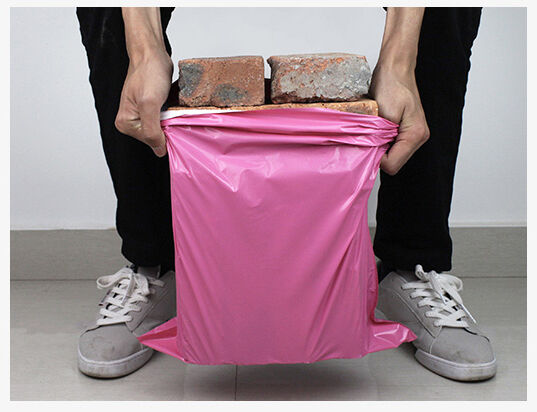
Every extra mile a printed mailer bag travels introduces additional handling cycles. In carrier hubs, packages are sorted, tossed, and stacked multiple times—each action straining seams and film. A local shipment within a single zone may pass through just one sorting facility, while a cross-country parcel can encounter five or more. These repeated micro-stresses accumulate, initiating microscopic tears that propagate into visible rips. Zone-based distance also extends transit time—from one day to five or more—exposing the bag to prolonged vibration inside trailers. For soft goods and non-fragile items, a standard 2.5 mil polyethylene printed mailer bag performs reliably for local deliveries. But beyond 1,000 miles, fatigue-induced failure becomes common. Understanding this zone–stress relationship helps shippers select film thicknesses aligned with actual handling exposure—not just theoretical distance.
Carrier-Specific Requirements: USPS, FedEx, and UPS Thickness & Tear Resistance Standards by Distance Zone
Major carriers don’t publish universal thickness mandates—but their operational realities strongly shape material expectations. USPS Priority Mail parcels must survive automated flat-sorting machines that grip and pull film; industry practice requires at least 3.0 mil for shipments beyond Zone 4 (roughly 600+ miles). Similarly, FedEx Ground and UPS Ground prioritize tear resistance for multi-hub routes, with a minimum Mullen test value of 400g recommended for distances exceeding 2,000 miles. For those long-haul shipments, carriers often advise 4.0 mil laminated films to resist splitting during trailer-loading compaction. Failure to align packaging with these zone-based expectations increases rejection risk and damage claim liability. Shippers should consult each carrier’s latest “minimum thickness by distance” guidance—especially when shipping to remote zones where transfer points multiply mechanical stress.
Cumulative Risks: Moisture, UV Degradation, and Thermal Cycling Across Multi-Zone Transit
As shipping distance increases, printed mailer bags traverse multiple climate zones—each adding environmental stress that compounds over time. Rain, high humidity, or condensation weakens heat seals and causes ink smudging. UV radiation—particularly during extended ground transit or tarmac exposure—degrades polymer chains, accelerating embrittlement. Thermal cycling—repeated heating and cooling across day–night shifts or region-to-region transitions—further strains film layers and seal integrity. A 2,000-mile shipment may experience a 30°C temperature swing, which fatigues both monolayer and laminated films differently. Crucially, risk isn’t linear: short local runs (<300 miles) rarely face all three stressors simultaneously, but multi-zone routes compound them. For example, a desert-to-coastal shipment may first undergo UV degradation, then moisture attack upon arrival—demanding material specifications robust enough for all anticipated conditions, not just the origin or destination climate.
Material Comparison: Standard Polyethylene vs. Laminated PE+LLDPE for Long-Distance Printed Mailer Bags
Standard polyethylene (PE) printed mailer bags offer cost efficiency and sufficient protection for short, single-zone deliveries. Yet their single-layer construction provides minimal resistance to UV penetration, moisture vapor transmission, or puncture under sustained stress. Laminated PE+LLDPE (linear low-density polyethylene) adds a bonded barrier layer that significantly improves tear strength, puncture resistance, and environmental durability. For long-distance shipments—typically beyond 500 miles—laminated PE+LLDPE reduces UV-induced embrittlement risk by up to 40% compared to standard PE, while also enhancing moisture barrier performance to protect seal integrity against condensation. Though laminated bags cost 15–25% more per unit, the reduction in damage-related losses—especially for high-value or multi-zone shipments—makes them a sound investment. Shippers should base film selection on the longest anticipated transit leg, not average route distance.
Why 2.5-mil Printed Mailer Bags Perform Locally but Fail Beyond 1,000 Miles
A 2.5-mil printed mailer bag delivers reliable performance for single-zone deliveries: fewer handling cycles, lower compression risk, and minimal exposure to cumulative stressors. However, once a parcel exceeds 1,000 miles, it routinely passes through multiple hubs, conveyor systems, and sortation machines—each introducing new mechanical strain. Material fatigue accelerates after three or four handling cycles, creating micro-tears that evolve into full ruptures. Without layered reinforcement or enhanced polymer stability, 2.5-mil PE lacks the resilience to absorb repeated impacts over extended distances. Real-world failure rates spike when shippers apply local-grade packaging to cross-country routes—compromising product containment and brand perception. Upgrading to thicker or laminated materials preserves structural integrity across the full logistics journey.
Break-Even Distance Analysis: Cost vs. Damage Reduction for Bubble-Lined Printed Mailer Bags
Businesses shipping beyond 1,000 miles face a strategic packaging decision. Standard printed mailer bags minimize upfront costs but increase damage exposure during extended transit. Bubble-lined printed mailer bags raise material costs by 30–50%, yet reduce damage incidents by 60% for shipments exceeding 1,500 miles. This establishes a clear break-even threshold: regional shipments under 500 miles generally favor standard bags, while cross-country or international routes justify the upgrade. The bubble lining absorbs impact energy during handling cycles and buffers thermal fluctuations—enhancing both physical and environmental protection. To determine your optimal break-even distance, evaluate:
- Damage Cost per Incident: Include replacement product, return shipping, labor, and customer service overhead
- Annual Shipment Volume: Higher volume amplifies cumulative savings potential
- Average Shipping Distance: Longer distances magnify protection ROI
Upgrade when projected damage savings exceed the incremental packaging cost—balancing brand protection, customer satisfaction, and total landed cost.
FAQ
Why does shipping distance matter for mailer bag durability?
Shipping distance increases handling cycles, transit time, and exposure to environmental stressors like moisture, UV degradation, and thermal cycling—all of which can weaken mailer bags.
What type of printed mailer bag is ideal for long-distance shipments?
Laminated PE+LLDPE mailer bags perform best for long routes because they offer improved resistance to UV, moisture, and handling stress compared to standard polyethylene bags.
What are the challenges of using 2.5-mil bags for cross-country shipments?
2.5-mil bags are prone to fail during extended shipping due to material fatigue, accumulated mechanical strain, and environmental exposure, which compromise the bags’ structural integrity.
When is it cost-effective to switch to bubble-lined bags?
Bubble-lined bags are cost-effective for shipments exceeding 1,500 miles or when the damage cost savings outweigh the higher material cost, particularly for high-value products.
How can shippers minimize damage risk across multi-zone transits?
Shippers should consider factors like bag material thickness, carrier-specific distance requirements, and environmental conditions along the route to choose suitable packaging materials.
Table of Contents
-
How Shipping Distance Impacts Printed Mailer Bag Durability
- Transit Time, Handling Cycles, and Zone-Based Stress Accumulation
- Carrier-Specific Requirements: USPS, FedEx, and UPS Thickness & Tear Resistance Standards by Distance Zone
- Cumulative Risks: Moisture, UV Degradation, and Thermal Cycling Across Multi-Zone Transit
- Material Comparison: Standard Polyethylene vs. Laminated PE+LLDPE for Long-Distance Printed Mailer Bags
- Why 2.5-mil Printed Mailer Bags Perform Locally but Fail Beyond 1,000 Miles
- Break-Even Distance Analysis: Cost vs. Damage Reduction for Bubble-Lined Printed Mailer Bags
- FAQ