Plan and sort items before loading packaging cartons
Maximizing space in a packaging carton starts with careful planning and sorting—throwing items randomly inside leads to wasted space and unstable loads. First, sort your items by size, shape, and weight. Group small items together, medium-sized ones in another pile, and large items separately. This helps you visualize how to fit them into the packaging carton like a puzzle. Heavy items should be placed at the bottom to keep the carton stable, while lighter items go on top. Also, identify irregularly shaped items (like bottles or tools) and plan where they’ll fit—these often leave gaps if not positioned strategically. For fragile items, set them aside to ensure they get enough padding without taking up unnecessary space. Taking 5-10 minutes to sort and plan ensures you use every inch of the packaging carton efficiently.
Use the “base-first” method to build a stable foundation
A stable base is key to maximizing space in a packaging carton—wobbly bottoms force you to leave gaps to avoid collapse. Start by placing the largest, heaviest items at the bottom of the packaging carton, arranging them in a flat, even layer. If you’re loading boxes inside the packaging carton, stack them squarely along the edges to create a rigid base. For irregular items like cans or jars, place them upright and close together to form a solid foundation. Avoid leaving small gaps between base items—fill them with small accessories or padding material. Once the base is set, add the next layer of items, making sure they fit snugly on top without overhanging. This “base-first” approach lets you build upward safely, using vertical space without risking the packaging carton tipping over. A stable foundation means you can stack more items without wasting space on unnecessary padding for balance.
Fill gaps with small items or cushioning materials
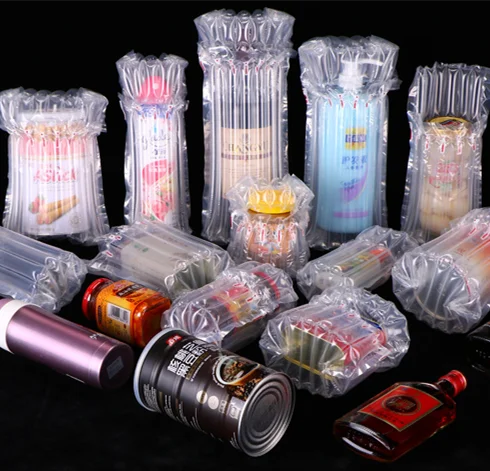
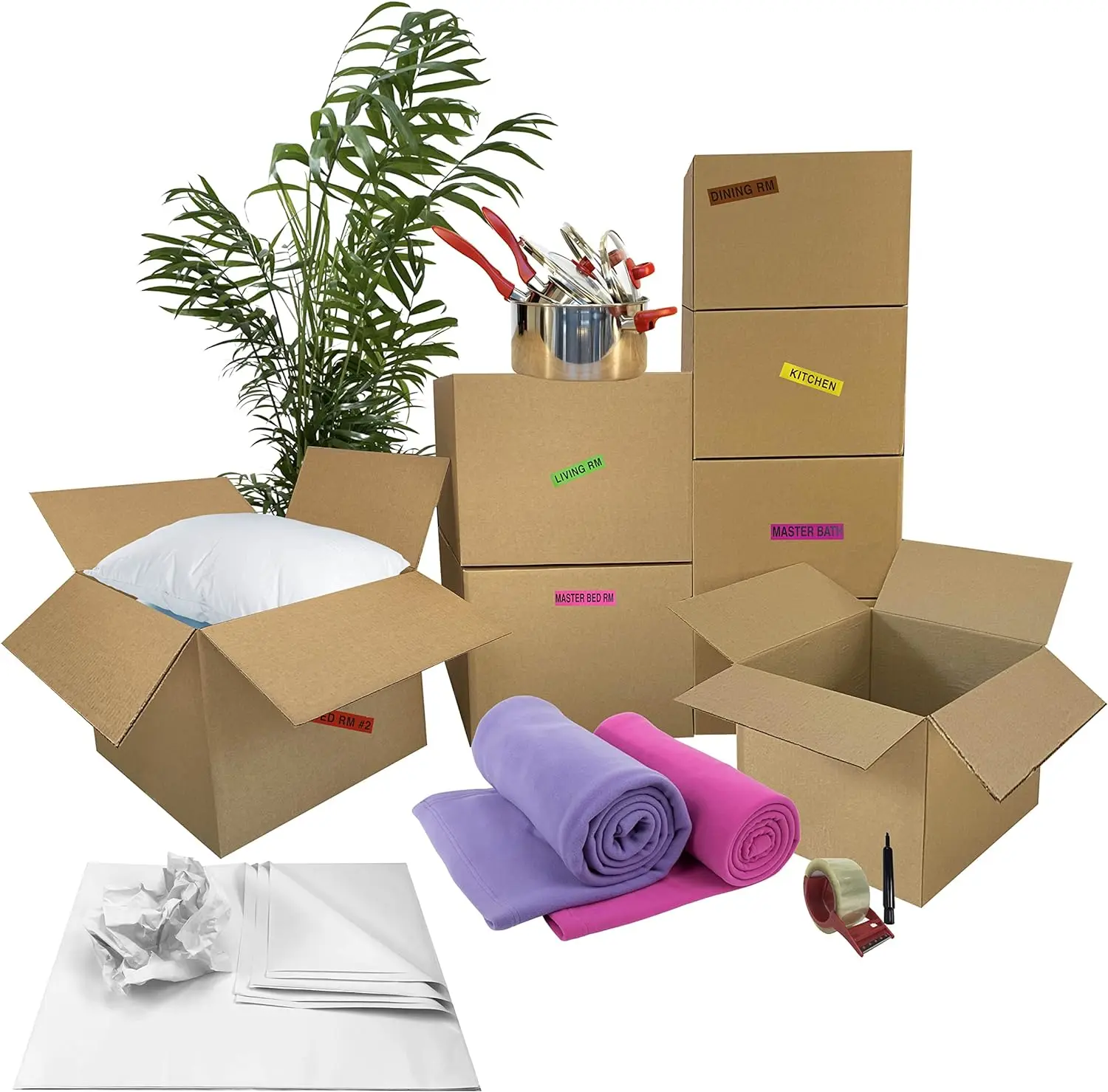
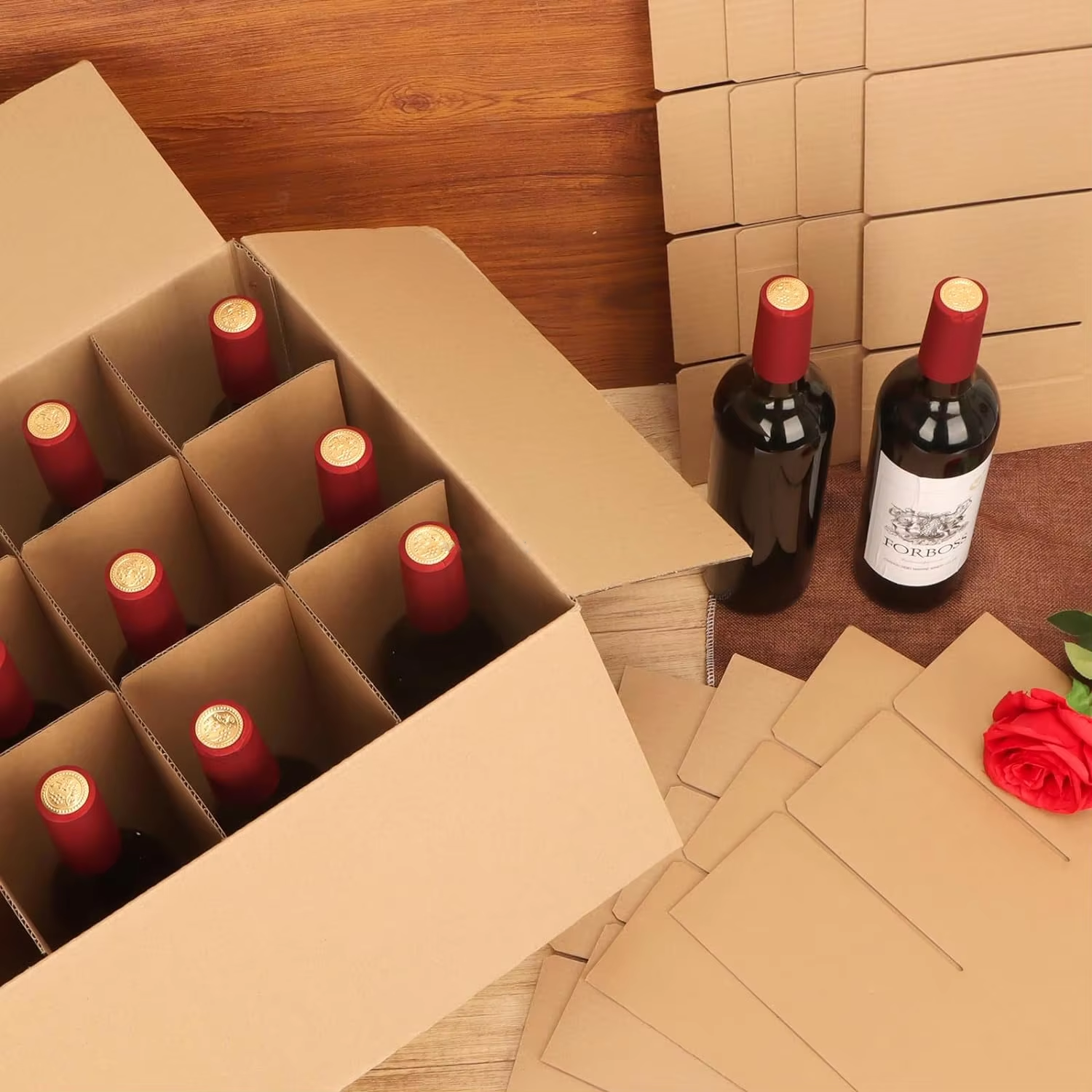
Gaps are the enemy of space utilization—even tiny spaces add up to wasted room in a packaging carton. After placing larger items, use small items (like socks, accessories, or small parts) to fill the gaps between them. For example, tuck a pair of gloves into the space next to a shoe box or slide small gadgets into the gaps around a laptop. If there are gaps too small for items, use cushioning materials like packing peanuts, crumpled paper, or bubble wrap. These materials not only fill space but also prevent items from shifting during transit. Avoid using too much cushioning, though—only enough to fill the gaps tightly. For cylindrical items (like bottles), place them next to each other in a hexagonal pattern to minimize gaps. Filling every gap ensures the packaging carton is packed tightly from top to bottom, left to right, with no wasted space.
Stack and layer strategically for vertical space use
To maximize space, don’t just place items side by side—use vertical space by stacking and layering strategically. For flat items like books, foldable clothes, or thin boxes, stack them horizontally to create even layers. Make sure each layer is level before adding the next—uneven layers create gaps and instability. For taller items that fit vertically (like bottles or rolled towels), stand them upright and use shorter items to fill the space above. If you’re packing clothing, roll them tightly instead of folding—rolled clothes take up less space and fit into gaps more easily than folded stacks. For irregularly shaped items, layer them so that protruding parts fit into the indentations of other items. For example, place a tool with a curved handle next to a box with a hollow side. Strategic stacking and layering turn empty vertical space into usable storage, letting you fit more into the packaging carton.
Avoid overloading and ensure safe, space-efficient packing
While maximizing space is important, overloading a packaging carton can lead to damage—both to the carton and the items inside. Check the packaging carton’s weight limit (usually printed on the box) and don’t exceed it. Overloading can cause the carton’s bottom to collapse or the sides to bulge, which not only ruins your space-saving efforts but also risks damage during transit. Also, make sure the top of the packaging carton closes fully without forcing it—if the lid won’t shut neatly, you’ve packed too much. Leave a small gap (about 1-2 cm) between the top layer and the lid for extra cushioning if needed, but not enough to let items shift. Finally, shake the packaging carton gently—if you hear movement, add more filler to secure the items. Safe, space-efficient packing means using every available space without sacrificing the packaging carton’s structural integrity or the safety of your items.
 Hot News
 EN
EN