Prepare tools and inspect cardboard box before assembly
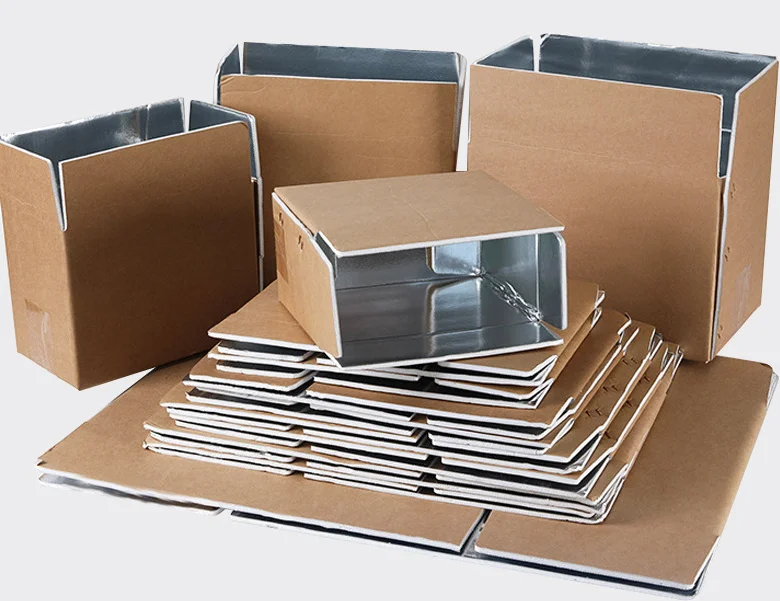
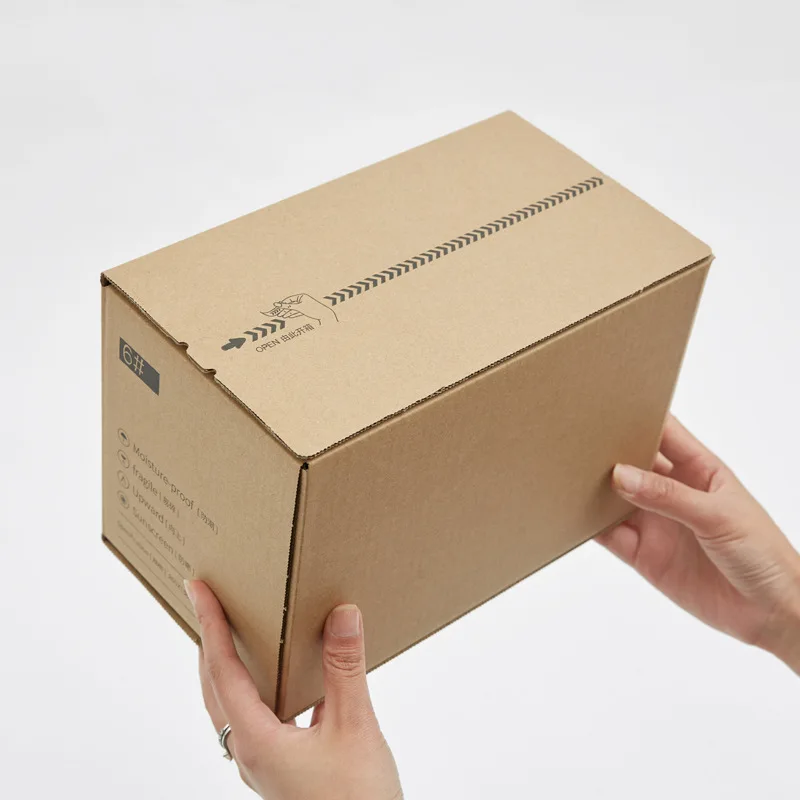
Before you start assembling a cardboard box having the right tools and checking the box’s condition is essential. First gather basic tools like packing tape a tape dispenser scissors and a marker. You might also need extra padding materials like bubble wrap or foam if you’re packing fragile items but that’s optional for assembly itself. Next take the cardboard box out of its flat storage state and inspect it carefully. Look for any tears creases or damaged flaps—these can weaken the cardboard box and affect its ability to hold weight. Check that all fold lines are clear and intact as they guide proper assembly. Make sure the cardboard box is the right size for your needs too—if it’s too big or too small you might have issues later. If you find any major damage don’t use the cardboard box—get a new one to ensure your items are properly protected. Taking a minute to prep and inspect saves time and avoids problems during assembly.
Fold the bottom flaps of cardboard box properly
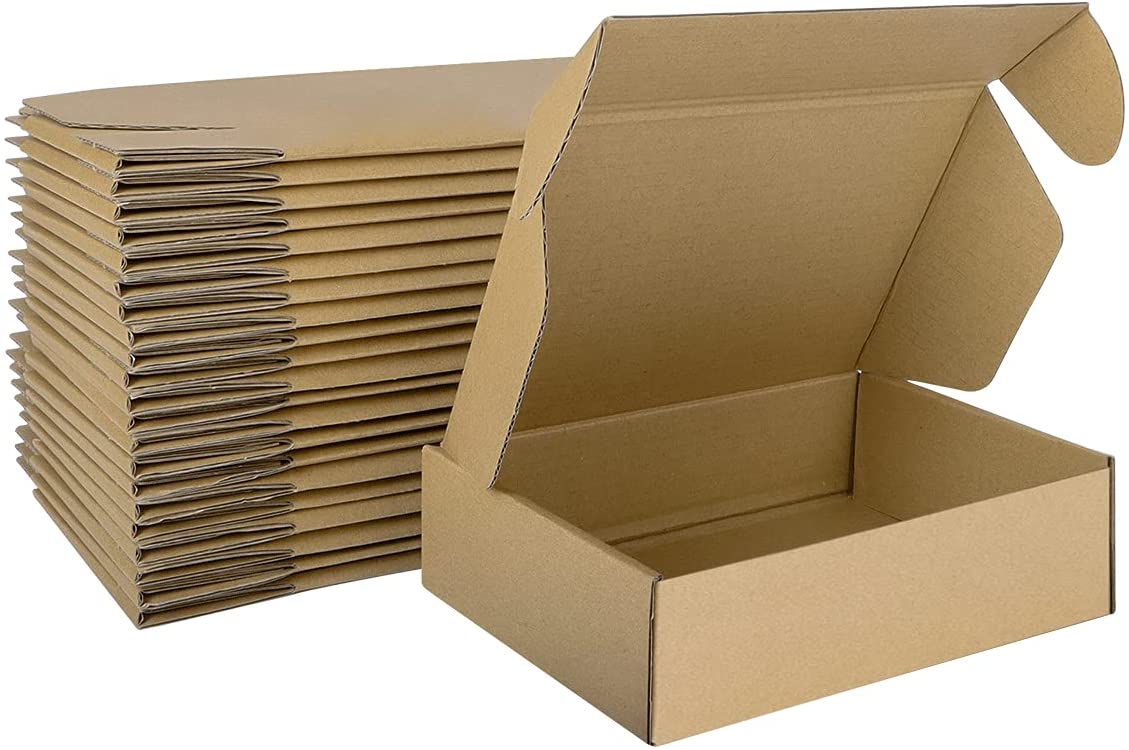
Folding the bottom flaps correctly is the foundation of a sturdy cardboard box. Start by laying the flat cardboard box on a clean flat surface with the inside facing up. Identify the four bottom flaps—two shorter ones and two longer ones (or sometimes equal size depending on the design). First fold the two shorter flaps inward making sure they lie flat against the bottom of the cardboard box. Press along the fold lines firmly to crease them well—this helps the flaps stay in place. Next fold the two longer flaps over the shorter ones. They should overlap completely covering the shorter flaps to create a tight seal. Some cardboard boxes have pre scored lines for easier folding so follow those to get neat edges. Avoid rushing this step—crooked or loosely folded flaps will make the cardboard box unstable. Once the bottom is folded give it a gentle shake to test if it holds—if the flaps shift you need to refold them more tightly. A properly folded bottom ensures the cardboard box can support the weight of your items without collapsing.
Secure the bottom of cardboard box with tape
After folding the bottom flaps securing them with tape is crucial to keep the cardboard box closed during transport. Use high quality packing tape—avoid thin or weak tape that might peel off. Start by placing a strip of tape along the center seam where the longer flaps overlap. Press the tape firmly to ensure it sticks to both sides of the cardboard box. Next add two more strips of tape along the edges of the bottom flaps covering the corners. This reinforces the weakest points of the cardboard box’s bottom. For heavier items or extra security you can wrap tape around the entire bottom perimeter of the cardboard box. Make sure the tape is applied smoothly with no bubbles or wrinkles—air pockets can cause the tape to come loose. Don’t skimp on tape but also don’t overdo it—too much tape adds unnecessary weight and cost. The goal is to create a secure seal that keeps the bottom flaps from opening while the cardboard box is being moved. Taking the time to tape properly gives you peace of mind that your items won’t fall out.
Assemble the top and prepare the cardboard box for use
Once the bottom is secured it’s time to assemble the top of the cardboard box and get it ready for packing. First stand the cardboard box upright and gently pull the side walls up until they’re perpendicular to the bottom. The side flaps should fold easily along the pre scored lines—if they’re stiff gently bend them back and forth to loosen the fold. Make sure all sides are fully extended so the cardboard box has its full height and capacity. If the cardboard box has interlocking flaps fit them together snugly to add extra stability. Now the cardboard box is ready to be packed. If you’re using it for shipping or storing items start by adding any padding to the bottom then place your items inside arranging them evenly to distribute weight. Avoid overpacking the cardboard box as this can stretch the walls and cause the top to not close properly. Once packed fold the top flaps the same way you folded the bottom—short flaps first then long ones—and secure them with tape when you’re ready to seal the box. Proper top assembly ensures the cardboard box stays closed and protected.
Check and adjust to ensure cardboard box stability
After assembling the cardboard box take a few minutes to check its stability and make adjustments if needed. Give the cardboard box a gentle lift by the sides—if it feels wobbly or the bottom bends you might need to add more tape or refold the flaps. Push gently on the sides to test if they’re rigid—soft or flexible sides mean the cardboard box might not hold up during transport. Check that all tape seams are secure and there are no gaps where the flaps meet. If you’re packing heavy items place the cardboard box on the ground and put some weight inside to test its durability. If the bottom starts to sag you can add a layer of extra cardboard or reinforcement tape. For irregularly shaped items make sure they don’t poke against the cardboard box walls which could cause tears. A quick final check ensures the cardboard box is strong stable and ready to use. Taking this extra step prevents accidents and ensures your items are safe whether you’re storing them or shipping them to a destination.
 Hot News
 EN
EN