EN
EN

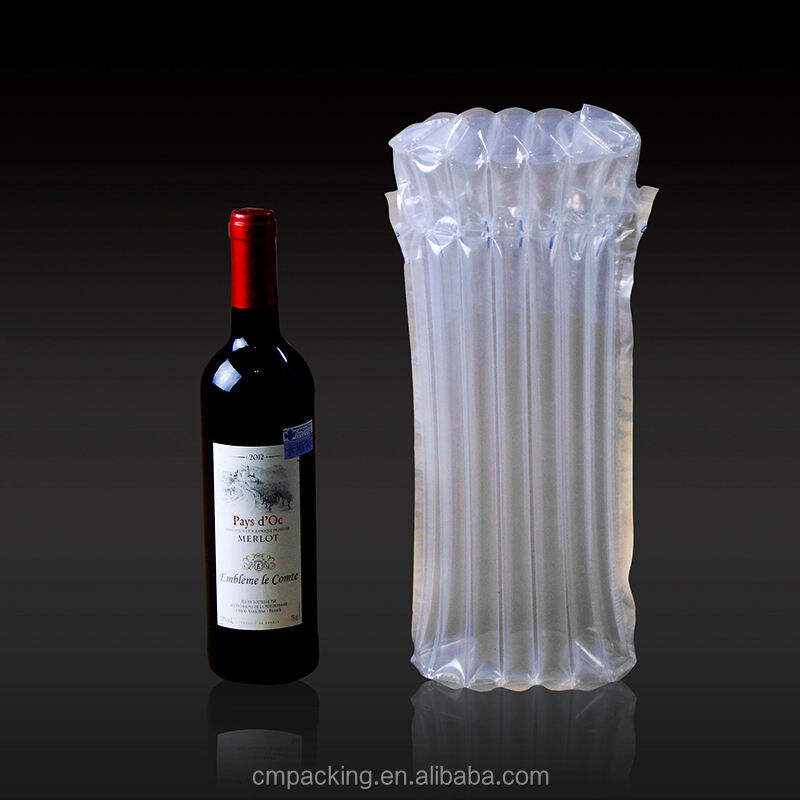
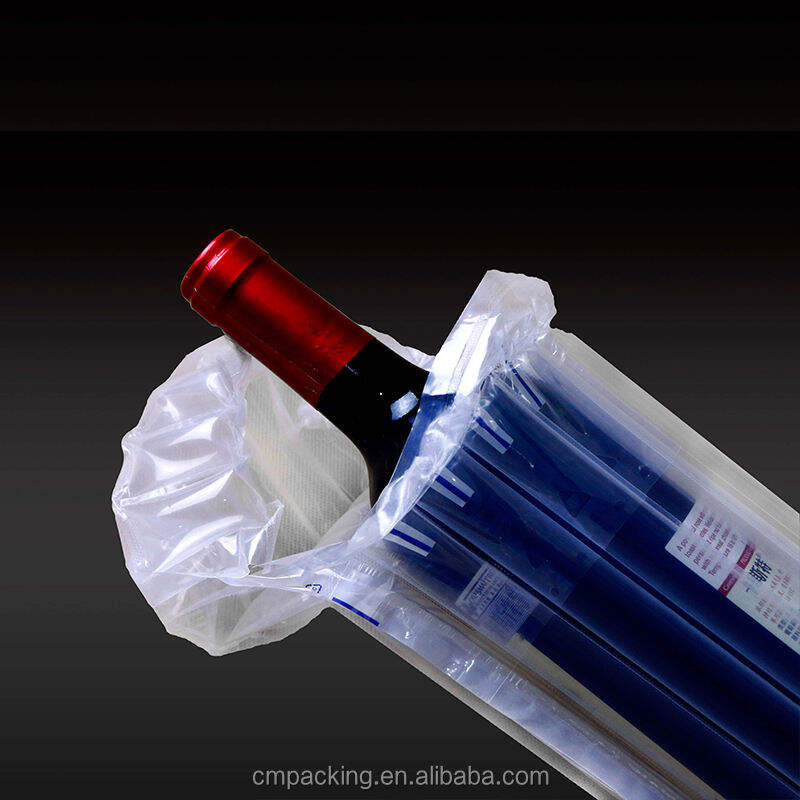
Poly bags are widely used in the packaging of fragile items due to their flexibility, shock absorption, and cost-effectiveness. From glassware and ceramics to electronic components and precision instruments, the right poly bag thickness can effectively reduce damage during transportation and storage. However, choosing an inappropriate thickness—too thin to protect or too thick leading to unnecessary costs—can cause troubles. Hangzhou Chunmei Packaging Co., Ltd., a one-stop customized packaging manufacturer with over 23 years of experience, specializes in producing high-quality poly bags using materials like PE, PA, and HDPE. Based on practical cases, material expertise, and industry standards, this article details how to select poly bags with appropriate thickness for fragile items.
Evaluate the fragility and weight of the item
The first step in selecting the right poly bag thickness is to accurately evaluate the fragility and weight of the fragile item. Different fragile items have varying resistance to impact and pressure, which directly determines the required protective performance of the poly bag.
Chunmei Packaging classifies fragile items into three levels based on practical experience: high fragility (such as glass cups, crystal ornaments), medium fragility (such as ceramic bowls, small electronic devices), and low fragility (such as plastic crafts, thick glass bottles). For high-fragility items, thicker poly bags with better shock absorption are needed; for low-fragility items, thinner poly bags can meet the protection requirements. At the same time, the weight of the item should be considered—heavier fragile items require thicker poly bags to bear the weight and prevent tearing.
In a cooperation project with a glassware brand, the customer initially used 0.08mm thick ordinary poly bags, resulting in a 15% product damage rate during transportation. After we evaluated the fragility and weight of their glass cups, we recommended upgrading to 0.15mm thick PE+PA composite poly bags. The product damage rate dropped to 0.9%, significantly reducing economic losses. Material engineering experts emphasize that the thickness of poly bags should be positively correlated with the fragility and weight of the item—each 100g increase in weight or one level increase in fragility requires a 0.05mm-0.1mm increase in poly bag thickness.
Understand the protective performance of different thickness poly bags
Poly bags of different thicknesses have significant differences in tensile strength, tear resistance, and shock absorption. Understanding the protective performance of poly bags with various thicknesses is crucial for accurate selection.
Chunmei Packaging's poly bags have clear thickness specifications, ranging from 0.03mm to 0.3mm. Thin poly bags (0.03mm-0.07mm) are lightweight and low-cost but have weak tear resistance and are suitable for packaging low-fragility, lightweight items. Medium-thickness poly bags (0.08mm-0.15mm) have balanced tensile strength and shock absorption, making them ideal for medium-fragility items such as small ceramics and electronic accessories. Thick poly bags (0.16mm-0.3mm) are made of high-strength composite materials, with excellent tear resistance and impact resistance, suitable for high-fragility, heavy items such as large glassware and precision instruments.
Our laboratory tests show that a 0.12mm thick PE poly bag can withstand an impact force of 5kg without breaking, while a 0.06mm thick poly bag can only withstand 1.5kg. For fragile items that need to be transported over long distances, it is necessary to choose thicker poly bags to cope with multiple handling and vibration. Packaging technology experts point out that the protective performance of poly bags increases exponentially with thickness within a certain range, but the cost also increases linearly—therefore, it is crucial to find the balance between protection and cost.
Consider the transportation and storage environment
The transportation and storage environment of fragile items also affects the selection of poly bag thickness. Complex transportation processes, harsh storage conditions, and long transportation distances all require thicker poly bags to enhance protection.
For long-distance logistics transportation involving multiple transfers and frequent handling, fragile items are prone to collision and impact, so thicker poly bags with strong shock absorption should be selected. For items stored in humid or dusty environments, poly bags with appropriate thickness can also provide a certain degree of moisture-proof and dust-proof protection. In addition, if fragile items are stacked during storage, thicker poly bags are needed to bear the pressure of stacking and prevent deformation or damage.
A ceramic tile brand once encountered frequent edge damage during transportation. After understanding their long-distance road transportation and stacking storage conditions, we recommended 0.2mm thick HDPE poly bags with reinforced edges. The thick poly bags effectively buffered the impact during transportation and withstood the stacking pressure, reducing the damage rate by 70%. Chunmei Packaging can provide customized thickness recommendations based on customers' specific transportation routes and storage methods, ensuring that the poly bags can adapt to the actual use environment.
Refer to industry standards and customer cases
Referring to relevant industry standards and similar customer cases can help quickly select the appropriate poly bag thickness, avoiding blind selection. There are clear regulations on the packaging of fragile items in different industries, and the thickness of poly bags should meet the corresponding standard requirements.
Chunmei Packaging strictly abides by national and international packaging standards, such as ISO packaging testing specifications and AQL quality inspection standards. For example, the packaging of medical fragile items requires poly bags with a thickness of no less than 0.1mm to ensure sterility and protection. We also have rich customer cases in various industries—for example, we provide 0.1mm thick poly bags for a cosmetics brand's glass bottles, and 0.18mm thick poly bags for an electronic company's precision components. These cases can be used as reference for new customers with similar products.
Our professional sales team will share relevant industry standards and successful cases with customers, helping them make informed decisions. A new customer engaged in crystal ornament sales successfully selected 0.15mm thick poly bags by referring to our similar customer cases, and the product damage rate remained below 1% during the first batch of transportation. Referring to industry standards and cases not only improves the accuracy of selection but also saves the time and cost of testing.
Conduct practical tests and adjustments
Before mass use, conducting practical tests on the selected poly bag thickness is the final guarantee to ensure protection effect. Through actual packaging, transportation, and drop tests, we can verify whether the poly bag thickness meets the requirements and make timely adjustments.
Chunmei Packaging provides sample testing services for customers. Customers can apply for poly bags of different thicknesses for packaging tests. We recommend conducting drop tests (dropping the packaged item from a height of 1.2m) and vibration tests (simulating long-distance transportation vibration) to check the protection effect of the poly bag. If the item is not damaged after the test, the thickness is appropriate; if damage occurs, a thicker poly bag should be selected for re-testing.
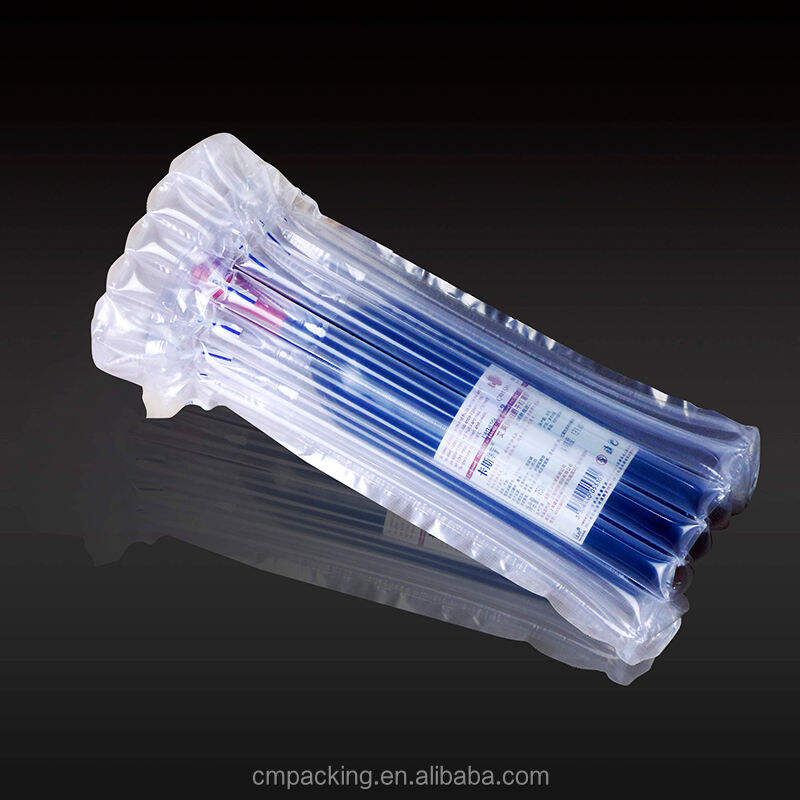
A furniture brand once selected 0.1mm thick poly bags for their glass table tops, but the edges were damaged during the drop test. We suggested replacing them with 0.16mm thick poly bags with buffer air columns inside. The re-test was successful, and no damage occurred. Our technical team can provide professional test guidance and adjust the thickness and structure of the poly bag according to the test results. Practical tests can effectively avoid the risk of mass damage caused by inappropriate thickness selection, ensuring the safety of fragile items during transportation.
In conclusion, selecting poly bags with appropriate thickness for fragile items requires comprehensive consideration of the item's fragility and weight, the protective performance of different thicknesses, the transportation and storage environment, industry standards and cases, and practical tests. As a professional packaging manufacturer with over 23 years of experience, Hangzhou Chunmei Packaging Co., Ltd. has advanced production equipment and leading manufacturing technology, producing high-quality poly bags with precise thickness control and stable performance. We can provide customized thickness and structure solutions according to customers' specific needs, and offer professional technical support and testing services. Whether it is small glassware or large precision instruments, Chunmei Packaging can help you select the most suitable poly bags, balancing protection effect and cost. Choosing Chunmei Packaging means choosing reliability and professionalism—we are committed to protecting your fragile items with high-quality poly bags and thoughtful services.