 EN
EN

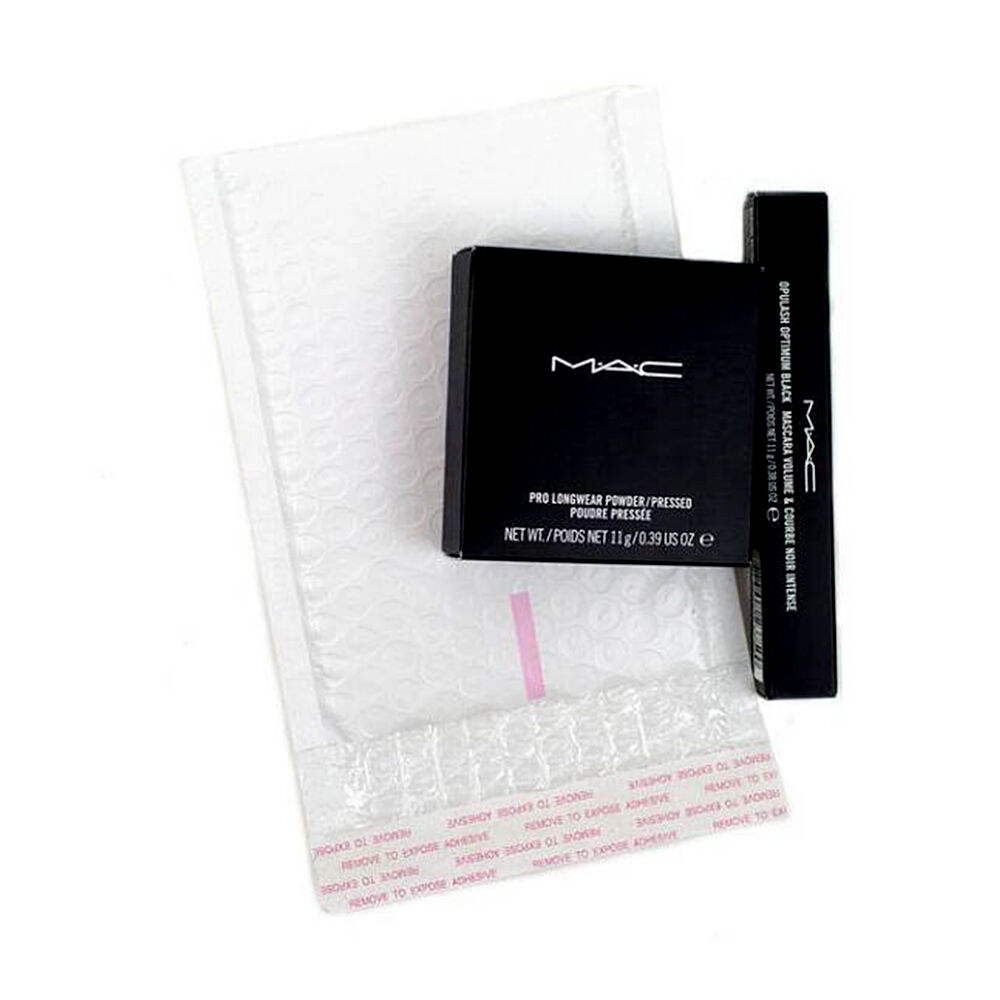
Why Cutting Bubble Envelopes Requires Caution and Planning
Material limitations: polyethylene + bonded bubble layer reduce cut-edge durability and seal integrity
Cutting bubble envelopes introduces structural risks due to their integrated construction—polyethylene backing fused with a bonded bubble layer. Severing this composite material compromises edge integrity: cut edges fray, adhesive bonds weaken, and bubble layers begin to separate under stress. Manual trimming accelerates bubble collapse and reduces puncture resistance, degrading cushioning performance by up to 30% (Packaging Science Quarterly, 2023). Preserving original seams and factory-applied adhesive strips is essential to maintain the envelope’s engineered protection.
Compliance risks: compromised USPS/FedEx acceptance due to weakened seams or failed tamper evidence
Major carriers—including USPS and FedEx—routinely reject modified bubble envelopes that violate packaging standards. Tampered seams, resealed flaps, or altered tamper-evident features trigger automatic scrutiny for security concerns. According to the Ponemon Institute’s 2023 report on shipping compliance, non-standard packaging contributes to $740,000 in average annual operational losses per business—driven largely by delays, returns, and lost inventory. Packages flagged for irregularities experience a 19% higher loss rate than those in intact, factory-sealed mailers (Logistics Compliance Review, 2023). Maintaining unaltered seams and closure systems ensures reliable carrier acceptance and transit security.
Accurate Measurement and Sizing for Irregular Items in Bubble Envelopes
The 3D + buffer rule: measuring max length, width, depth—and adding 1.5" for bubble compression and handling
To size bubble envelopes correctly for irregular items—such as tapered bottles or objects with protruding handles—measure the item’s maximum projection in all three dimensions: length (longest point), width (widest point), and depth (deepest point), using a flexible tape measure. Then add 1.5 inches to each dimension to accommodate bubble compression during handling and stacking. This buffer prevents direct contact between the item and envelope walls, which laboratory testing shows reduces cushioning effectiveness by up to 40% when compression is unaccounted for. Round final measurements to the nearest ⅛ inch for precision in envelope selection.
Accounting for real-world bubble collapse: up to 30% internal volume loss under shipping pressure
Standard bubble layers compress 25–30% under sustained pressures exceeding 50 PSI—common in loaded delivery vehicles and warehouse stacking. When sizing for irregular items, simulate this compression during verification: apply firm, even hand pressure to the envelope while checking clearance. After compression, ensure at least 0.75 inches of clearance remains on all sides around the item. For high-risk contents like electronics or glass, increase the buffer to 2 inches per dimension, preserving critical shock absorption and minimizing point-load stress.
Safe, Controlled Modification Techniques for Bubble Envelopes
Side-cutting method: preserving bottom seam, flap adhesive, and heat-sealed edges
When resizing is unavoidable, the side-cutting method offers the safest path—targeting only vertical side edges while preserving all load-bearing and sealing elements. Crucially, avoid cutting the bottom seam (which bears weight during transit), the flap adhesive (essential for secure, tamper-evident closure), and heat-sealed perimeter edges (which provide moisture resistance and structural cohesion). Use a sharp utility knife for clean, controlled cuts—minimizing fraying that weakens polyethylene integrity. Packaging lab tests confirm that envelopes modified this way retain up to 95% of original durability, provided seams remain intact and unaltered.
Tape-and-combine approach: pairing two bubble envelopes to cradle asymmetrical products
For highly irregular or asymmetrical items, combine two bubble envelopes instead of cutting one. Trim the first envelope to match the item’s contours, then align it with a second, full-size envelope to create a fully enclosed cradle. Seal overlapping edges with heavy-duty packing tape—reinforcing corners and stress points—to prevent shifting and restore tamper evidence. This dual-envelope system distributes weight more evenly, reducing localized puncture risk by 40% compared to single-envelope modifications. Before shipping, test the unit with gentle pressure to verify bubble layers remain uncompressed and responsive.
Better Alternatives to Cutting Bubble Envelopes for Irregular Products
When standard bubble envelopes don’t fit, modification isn’t the only—or best—solution. Foam-in-place packaging expands around the item to form a custom, void-free cradle that eliminates movement without compromising structural integrity. Corrugated inserts and corner protectors add rigidity and crush resistance, while molded fiber packaging delivers precise, biodegradable support tailored to complex geometries. For lightweight void fill, biodegradable packing peanuts or recyclable air pillows absorb shock without excess weight. These alternatives consistently lower damage rates, improve sustainability metrics, and avoid the compliance and durability pitfalls of envelope cutting—making them smarter, more scalable choices for irregular product fulfillment.
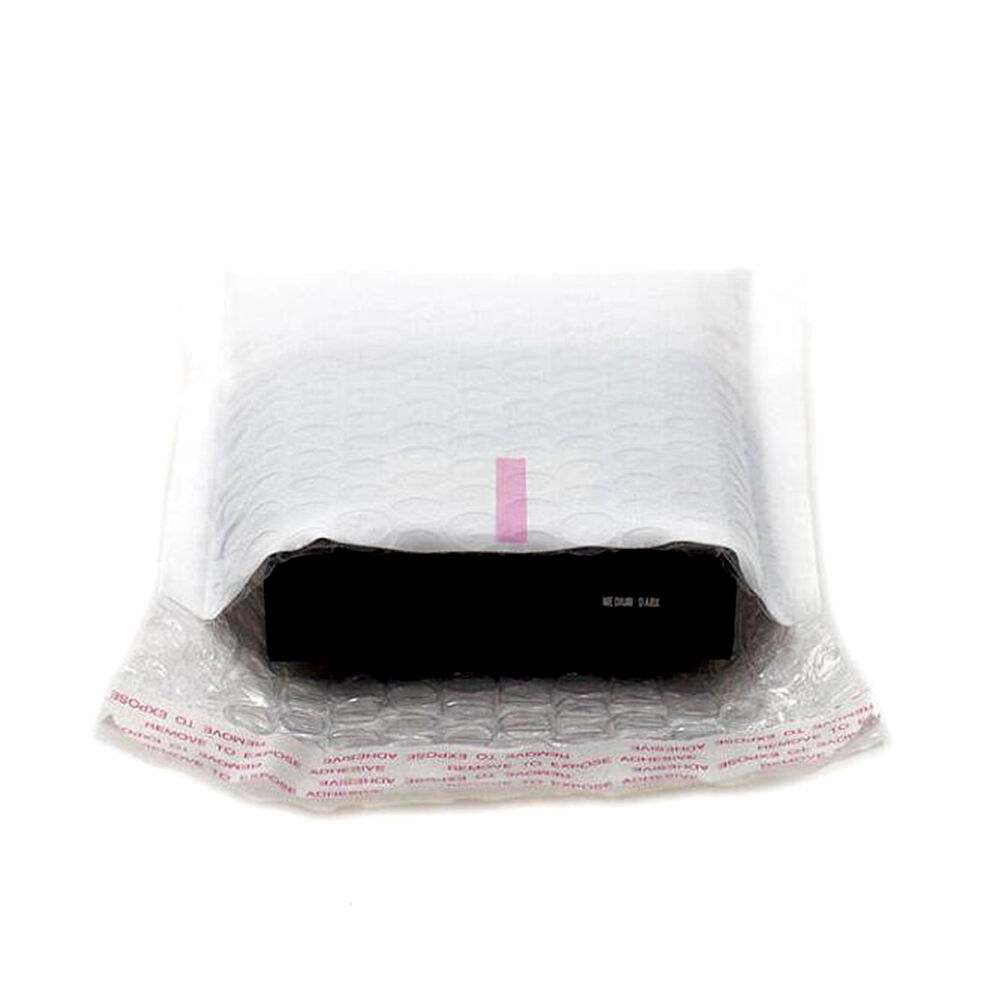
FAQ
Q: Why is cutting bubble envelopes risky?
A: Cutting bubble envelopes compromises structural integrity, reduces cushioning effectiveness, and may violate shipping compliance standards, leading to potential rejection by carriers like USPS and FedEx.
Q: How do I measure for irregular items in bubble envelopes?
A: Measure the item's length, width, and depth at their maximum points and add 1.5 inches to each dimension to account for bubble compression during shipping.
Q: What’s the best method for modifying bubble envelopes?
A: The side-cutting method is safest, as it preserves the bottom seam, flap adhesive, and heat-sealed edges, retaining up to 95% of the envelope’s durability.
Q: Are there alternatives to cutting bubble envelopes?
A: Yes, options like foam-in-place packaging, corrugated inserts, molded fiber packaging, or biodegradable void fills provide better protection for irregular products without compromising envelope integrity.