 EN
EN

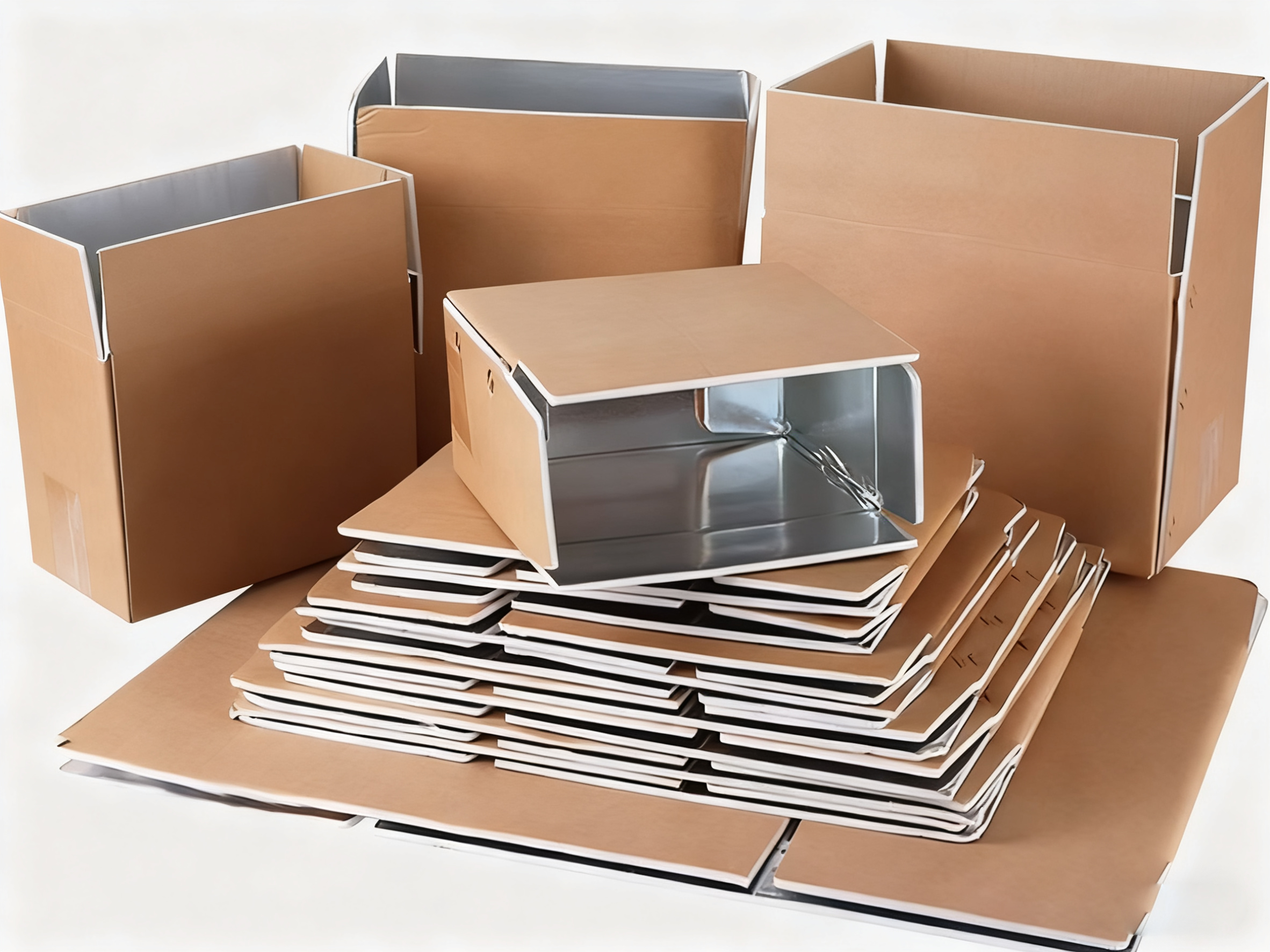
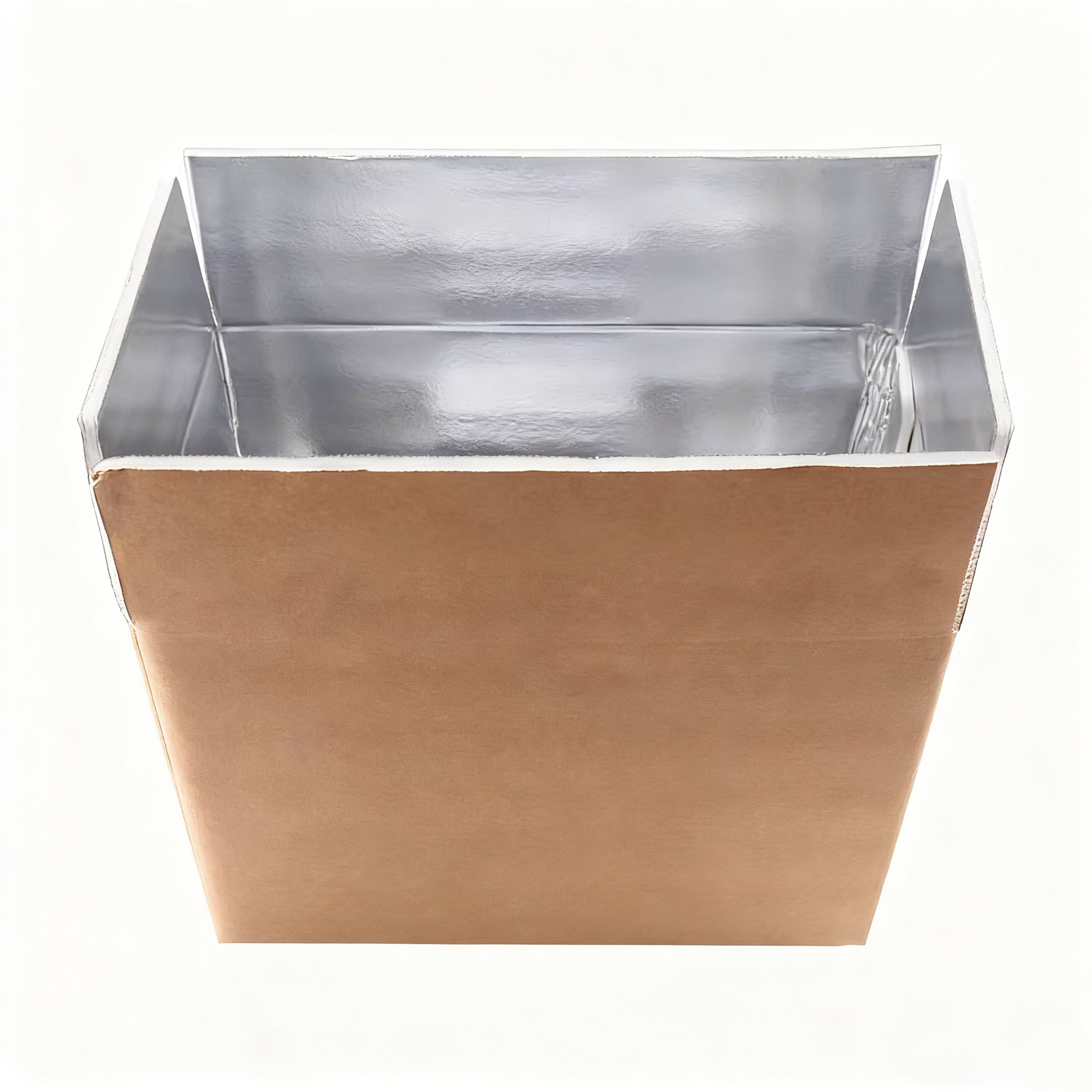
Packaging cartons are widely used in logistics, e-commerce, and industrial product transportation, but their inherent paper material makes them vulnerable to moisture. Once damp, packaging cartons lose load-bearing capacity, deform, or even break, leading to product damage. Hangzhou Chunmei Packaging Co., Ltd., a one-stop customized packaging manufacturer with over 23 years of experience, has developed mature waterproof solutions for packaging cartons. Combining practical cases, professional technology, and industry standards, this article details the key steps to waterproof packaging cartons, helping users effectively protect goods during transportation.
Select waterproof materials for packaging cartons
The foundation of waterproofing packaging cartons lies in choosing appropriate waterproof materials. Common waterproof materials for packaging cartons include moisture-proof corrugated cardboard, kraft paper with waterproof coatings, and composite materials such as PE-laminated paperboard. Each material has unique waterproof properties and application scenarios.
Chunmei Packaging strictly selects high-quality waterproof materials that meet national standards. For packaging cartons used in cold chain logistics or humid coastal areas, we use moisture-proof corrugated cardboard with a special waterproof coating. This material can effectively block moisture penetration and maintain the carton's sturdiness. In a cooperation project with a seafood brand, the initial ordinary packaging cartons were prone to softening and deformation during sea transportation. After upgrading to our PE-laminated waterproof packaging cartons, the product damage rate due to moisture dropped from 12% to 0.9%.
Material science experts emphasize that the waterproof performance of packaging cartons depends largely on the material's water resistance and structural density. Chunmei Packaging's raw material inspection process includes strict water absorption tests, ensuring that each batch of materials meets waterproof requirements. We also provide customized material recommendations based on customer needs—for example, using high-density kraft paper with paraffin coating for heavy-duty waterproof needs, which enhances both waterproofing and load-bearing capacity.
Apply professional waterproof coatings
Applying waterproof coatings is a key step to enhance the waterproof performance of packaging cartons. Waterproof coatings form a protective film on the surface of the carton, blocking moisture from seeping into the paper fibers. Common waterproof coatings include acrylic coatings, polyurethane coatings, and environmentally friendly paraffin coatings.
Chunmei Packaging uses domestically advanced coating equipment and leading manufacturing techniques to apply waterproof coatings. The coating process is strictly controlled—we adjust the coating thickness and uniformity according to the carton's use scenario. For example, packaging cartons for outdoor storage require a thicker coating, while those for short-distance transportation can use a thin, environmentally friendly coating. During the coating process, we also pay attention to environmental protection, using non-toxic, odorless water-based coatings that meet environmental management system certification standards.
In a cooperation project with an electronic product brand, we applied a double-layer acrylic waterproof coating to the packaging cartons. This coating not only has excellent waterproof performance but also enhances the carton's surface wear resistance. The electronic products were transported through rainy areas without any moisture damage, and the customer highly recognized the waterproof effect. Packaging technology experts point out that professional coating application can improve the waterproof performance of packaging cartons by 60% to 80%, which is crucial for protecting moisture-sensitive products.
Optimize the structural design of waterproof packaging cartons
Scientific structural design can complement the waterproof effect of packaging cartons, preventing moisture from entering through gaps. Key structural designs include sealed seams, reinforced edges, and reasonable folding methods.
Chunmei Packaging adopts a sealed seam design for waterproof packaging cartons. We use high-quality environmentally friendly adhesives to firmly bond the carton's seams and reinforce them with waterproof tape to eliminate gaps. For the top and bottom of the carton, we design a folded edge structure that overlaps tightly, preventing moisture from seeping in from the openings. In addition, we add reinforced edges to the carton's corners, which not only enhances load-bearing capacity but also prevents moisture from penetrating through vulnerable corners.
In a logistics project for furniture products, the packaging cartons we produced with optimized waterproof structures successfully withstood 15 days of humid warehouse storage. The cartons remained dry and sturdy, and the furniture was intact upon arrival. Packaging engineering data shows that packaging cartons with optimized waterproof structures have a 40% lower moisture penetration rate than ordinary cartons. Chunmei Packaging's design team uses 3D modeling technology to simulate the waterproof effect of the carton structure, ensuring that every detail can effectively block moisture.
Equip with internal waterproof auxiliary materials
Adding internal waterproof auxiliary materials is an important supplementary step for waterproof packaging cartons, especially for moisture-sensitive products. Common internal waterproof materials include waterproof plastic bags, air column bags, bubble films, and moisture-proof desiccants.
Chunmei Packaging provides customized internal waterproof supporting solutions for customers. For small electronic components and precision instruments, we recommend placing the product in a sealed waterproof plastic bag first, then putting it into the packaging carton with a desiccant. For fragile products such as glassware, we use waterproof bubble films or air column bags to wrap the product, which not only provides buffering but also isolates moisture. In a cooperation project with a maternal and child product brand, we used a combination of waterproof plastic liners and desiccants in the packaging cartons. Even during transportation in rainy seasons, the products inside remained dry and clean.
Logistics packaging experts emphasize that internal waterproof auxiliary materials should match the product's characteristics. For example, desiccants should be selected according to the carton's volume and the product's moisture sensitivity to avoid insufficient moisture absorption or contamination of the product. Chunmei Packaging's professional sales team will recommend suitable internal waterproof materials based on the customer's product type and transportation environment, ensuring comprehensive waterproof protection.
Conduct strict waterproof performance testing
Strict waterproof performance testing is the final guarantee to ensure the effectiveness of packaging carton waterproofing. Only through professional testing can we confirm that the packaging cartons meet the waterproof requirements and avoid potential risks during transportation.
Chunmei Packaging implements a rigorous waterproof testing process. We use professional testing equipment to simulate various humid environments, such as spray tests, immersion tests, and high-humidity storage tests. The spray test simulates rainy transportation conditions, checking whether the carton surface absorbs water or seeps; the immersion test detects the carton's waterproof performance when in contact with water; the high-humidity storage test places the carton in a constant temperature and humidity box to observe changes in its structure and performance.
Each batch of waterproof packaging cartons must pass AQL quality inspection standards before leaving the factory. We also provide customers with detailed test reports, including test methods, data, and results, helping customers understand the waterproof performance of the cartons. In a cooperation project with a medical device company, our waterproof packaging cartons passed multiple strict waterproof tests and successfully met the medical industry's high waterproof requirements, winning long-term cooperation opportunities.
In conclusion, the key steps to waterproof packaging cartons include selecting waterproof materials, applying professional coatings, optimizing structural design, equipping internal waterproof auxiliary materials, and conducting strict performance testing. As a professional packaging manufacturer with over 23 years of experience, Hangzhou Chunmei Packaging Co., Ltd. has advanced production equipment, leading manufacturing technology, and a complete quality control system. We strictly control every link of waterproof packaging carton production, providing customers with high-quality, reliable waterproof packaging solutions. Whether it is cold chain transportation, rainy season logistics, or humid environment storage, our waterproof packaging cartons can effectively protect products from moisture damage. Choosing Chunmei Packaging means choosing comprehensive waterproof protection and peace of mind—we are committed to safeguarding your goods with professional technology and high-quality products.