 EN
EN

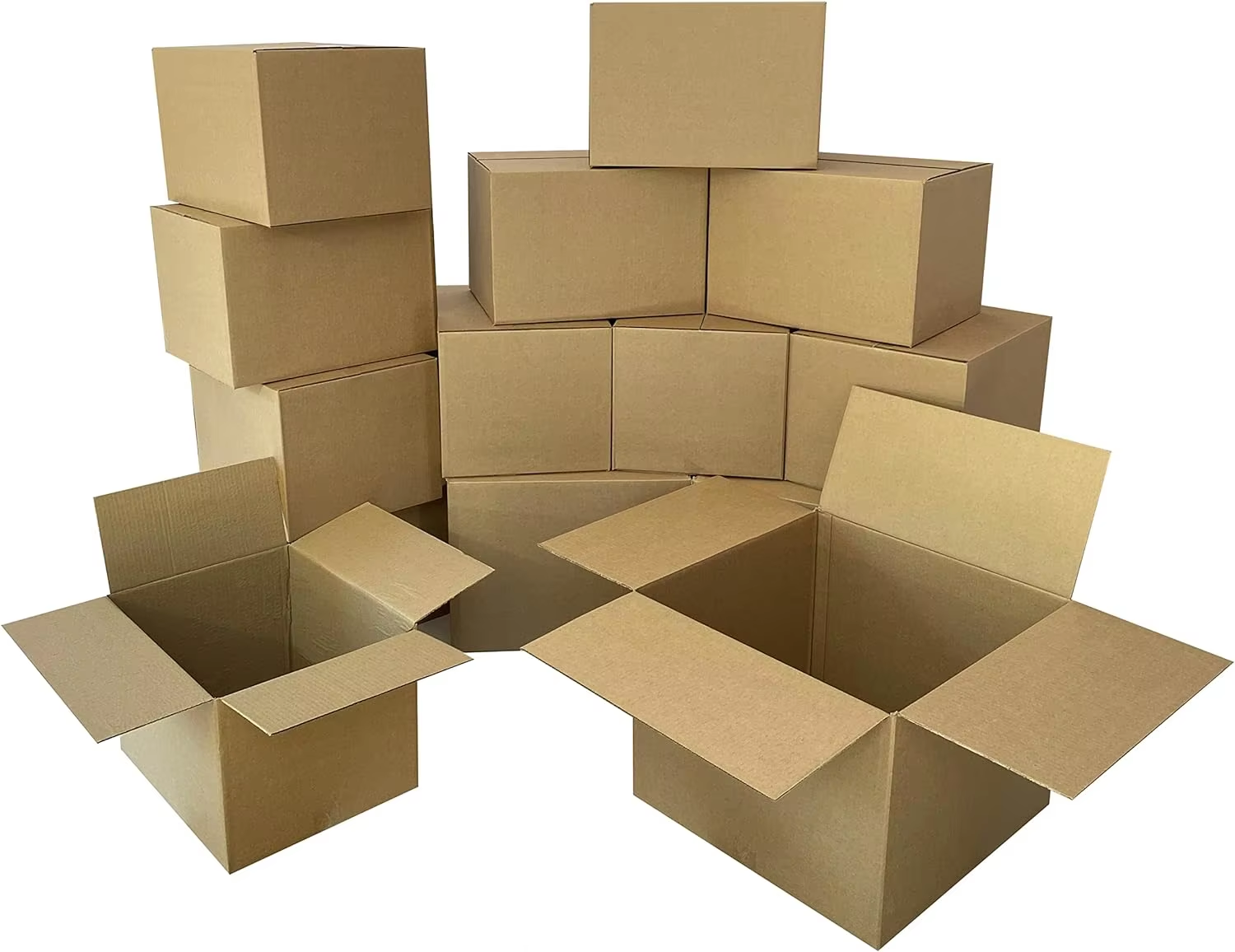
Corrugated boxes are indispensable in logistics transportation, e-commerce packaging, and industrial product storage due to their lightweight, cost-effective, and recyclable advantages. Their load-bearing capacity directly determines whether the packaged goods can be safely delivered without damage. Hangzhou Chunmei Packaging Co., Ltd., a one-stop customized packaging manufacturer with over 23 years of industry experience, has profound professional knowledge in corrugated box production. Having served numerous e-commerce and logistics companies, we deeply understand that the load-bearing capacity of corrugated boxes is affected by multiple factors. Based on practical production experience, customer cases, and industry technical standards, this article will detail the key factors influencing the load-bearing capacity of corrugated boxes.
Corrugated base paper quality
The quality of corrugated base paper is the fundamental factor determining the load-bearing capacity of a corrugated box. Corrugated base paper includes face paper, lining paper, and corrugating medium, and its basis weight, tensile strength, and burst resistance directly affect the overall load-bearing performance of the box.
Chunmei Packaging strictly selects high-quality base paper that meets national standards for production. We use base paper with appropriate basis weight—generally, face paper and lining paper with a basis weight of 120g/m² to 200g/m² are suitable for heavy-duty packaging. In a cooperation project with a large electrical appliance brand, the customer initially chose low-basis-weight base paper to save costs, resulting in corrugated boxes deforming and collapsing during transportation. After we recommended upgrading to high-strength base paper with better tensile resistance, the load-bearing capacity of the corrugated boxes increased by 40%, and no damage occurred during subsequent transportation.
Packaging material experts emphasize that the burst resistance of base paper is particularly critical for load-bearing. High-quality base paper can withstand greater pressure without breaking, ensuring the corrugated box maintains its shape under heavy loads. Chunmei Packaging has established a strict raw material inspection process, conducting AQL quality inspections on every batch of base paper to ensure its tensile strength, burst resistance, and other indicators meet production requirements. This rigorous quality control from the source lays a solid foundation for the load-bearing capacity of corrugated boxes.
Corrugated structure type
The corrugated structure inside the corrugated box is like its "skeleton," and different corrugated types have significant differences in load-bearing capacity, buffering performance, and rigidity. Common corrugated types include A, B, C, E, and AB composite corrugations, each suitable for different packaging scenarios.
A corrugation has a large wave height and good elasticity, providing excellent buffering performance and vertical load-bearing capacity, making it suitable for packaging heavy and fragile items. B corrugation has a small wave height and high density, with strong lateral pressure resistance and surface flatness, suitable for packaging items that require stacking. Chunmei Packaging can customize corrugated structures according to customer needs. For example, we used AB composite corrugated boxes for a fruit and vegetable cold chain project—A corrugation provides vertical load-bearing and buffering, while B corrugation enhances lateral stability, ensuring the boxes do not collapse during long-distance transportation and stacking.
Packaging engineering data shows that the load-bearing capacity of composite corrugated boxes is 20% to 30% higher than that of single corrugated boxes. Chunmei Packaging's production lines can process various corrugated types, and our technical team will recommend the most suitable corrugated structure based on the weight, shape, and transportation environment of the packaged goods. This personalized customization ensures that the corrugated boxes have optimal load-bearing performance while controlling costs.
Box design and processing technology
Scientific box design and sophisticated processing technology are important guarantees for the load-bearing capacity of corrugated boxes. Reasonable structural design, precise size control, and firm bonding all directly affect the overall load-bearing performance of the box.
In terms of structure, the four corners of the corrugated box are key load-bearing parts. Chunmei Packaging adopts a reinforced corner design, increasing the thickness of the paper at the corners and optimizing the folding process to enhance the compression resistance of the corners. In terms of size, we use high-precision die-cutting equipment to ensure the box's length, width, and height meet design requirements—uneven sizes will lead to uneven force during stacking, reducing load-bearing capacity. In bonding, we use high-quality environmentally friendly adhesives and control the bonding temperature and pressure through automated production lines to ensure the layers of the corrugated box are firmly bonded without delamination.
A customer engaged in ceramic product packaging once encountered the problem of box cracking at the bonding seams during transportation. After our technical team inspected the product, we found that the bonding temperature was too low, resulting in insufficient bonding strength. We adjusted the processing parameters of the production line, increased the bonding temperature, and optimized the adhesive formula. The improved corrugated boxes successfully withstood the pressure of long-distance transportation and stacking. This case shows that sophisticated processing technology is crucial for ensuring the load-bearing capacity of corrugated boxes.
Moisture and environmental factors
Moisture is a major enemy of the load-bearing capacity of corrugated boxes. Corrugated base paper is hygroscopic—when exposed to humid environments, the paper absorbs moisture, leading to decreased tensile strength, burst resistance, and rigidity, and the load-bearing capacity of the corrugated box drops sharply.
Chunmei Packaging fully considers the impact of moisture in production and provides moisture-proof solutions for different application scenarios. For corrugated boxes used in cold chain logistics or humid areas, we use moisture-proof base paper and apply a moisture-proof coating on the surface of the box. In a seafood cold chain project, the corrugated boxes we provided with moisture-proof treatment maintained good load-bearing capacity even in high-humidity environments, while ordinary corrugated boxes used by the customer previously had obvious softening and deformation.
Packaging industry research shows that when the moisture content of corrugated base paper exceeds 18%, its load-bearing capacity decreases by more than 50%. Chunmei Packaging's workshop is equipped with humidity control equipment to ensure the production environment is dry. At the same time, we remind customers to store corrugated boxes in a dry and ventilated place and avoid transporting them in rainy or humid conditions. For special needs, we can also customize fully enclosed moisture-proof corrugated boxes to maximize the impact of environmental moisture on load-bearing capacity.
Stacking and usage methods
The load-bearing capacity of corrugated boxes is also affected by stacking and usage methods. Scientific stacking can make full use of the box's load-bearing potential, while improper stacking may lead to premature damage to the box.
Chunmei Packaging provides professional stacking guidance for customers. We recommend stacking corrugated boxes in a neat and aligned manner, avoiding eccentric stacking or over-height stacking. The height of stacking should be determined according to the load-bearing capacity of the box—generally, the stacking height should not exceed 5 times the height of the box. For heavy goods, we suggest using pallets for stacking to distribute the pressure evenly. In a cooperation project with a large e-commerce platform, we designed a reasonable stacking plan based on the load-bearing capacity of the corrugated boxes, reducing the damage rate of goods during warehousing and transportation by 30%.
Packaging logistics experts point out that improper handling during transportation, such as throwing or collision, will also damage the structure of corrugated boxes and reduce their load-bearing capacity. Chunmei Packaging prints clear handling and stacking instructions on the surface of the corrugated boxes to remind users to operate gently. At the same time, our after-sales team provides timely technical support, answering customers' questions about the use of corrugated boxes and helping them maximize the load-bearing performance of the boxes.
In conclusion, the load-bearing capacity of corrugated boxes is comprehensively affected by corrugated base paper quality, corrugated structure type, box design and processing technology, moisture and environmental factors, and stacking and usage methods. As a professional packaging manufacturer with over 23 years of experience, Hangzhou Chunmei Packaging Co., Ltd. has advanced production equipment, leading manufacturing technology, and a rigorous quality inspection system. We strictly control every link from raw material selection to production and processing, and can provide customized corrugated box solutions according to customers' specific needs. Whether it is heavy industrial products, fragile items, or cold chain logistics packaging, our corrugated boxes can meet the corresponding load-bearing requirements. Choosing Chunmei Packaging means choosing reliable quality and professional service. We are committed to protecting your goods through high-quality corrugated boxes and creating greater value for your business.