 EN
EN

The Science Behind Layered Bubble Packaging for Impact Absorption
Physics of air-filled cushioning: How trapped air dissipates kinetic energy
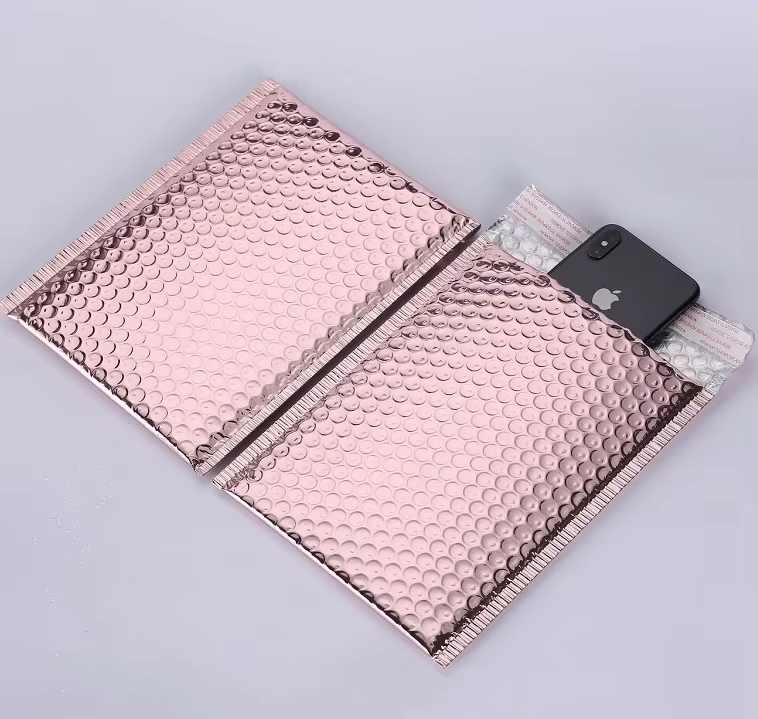
Bubble wrap packaging works mainly because of the compressed air inside those little pockets. When something hits the packaging, each individual bubble functions like a tiny shock absorber, turning the impact into heat and noise as the air gets squished out quickly. From a physics standpoint, what happens here is pretty interesting stuff. The trapped air heats up and builds pressure when compressed, spreading the energy sideways through the material instead of letting all that force hit whatever is being protected. Tests have shown these bubbles cut down on sudden impacts by about 70% compared to regular foam materials during drops. What makes this work so well is that the slowdown happens almost instantly. Air particles push back right away, making the whole thing slow down bit by bit. And when there are several layers stacked together, they create different areas where energy gets absorbed one after another, stopping any single spot from taking too much damage at once.
Optimal layering strategy: Thickness, orientation, and compression limits for peak shock absorption
Maximum protection requires precise calibration of three interdependent variables:
- Thickness: Smaller bubbles (3/16”) excel at dampening high-frequency vibrations; larger variants (1/2”) absorb heavier, low-frequency impacts more effectively
- Orientation: Alternating bubble directions—vertical in one layer, horizontal in the next—creates multidirectional resistance, improving load stability by 40% versus uniform alignment
- Compression limits: Bubbles must remain within ≤50% volume reduction to retain structural integrity; exceeding this threshold risks rupture and catastrophic loss of cushioning
How materials hold up under stress and the shape of air bubbles really determines what makes for good layering density. Take something delicate like electronic components - using three layers where each inner layer has smaller bubbles than the one before cuts down on shock transfer by around 80-85% compared to just having one layer. The trick is getting those layers to overlap properly across the whole surface area without making the whole package weigh much more than 12% extra. That's important because nobody wants their shipping costs going through the roof just to keep things safe during transport. When done right, this multi-layer approach turns individual cushion pieces into something that works together as a smart system absorbing impacts wherever they happen.
Layered Bubble Packaging Prevents Surface Damage and Secures Irregular Items
Preserving finish integrity: Non-abrasive, conformal cushioning during transit
Bubble wrap layers work wonders for protecting fragile items because of how they're made from soft polymers that won't scratch anything. Regular packing peanuts or stiff foam just don't compare since these bubbles actually shape themselves around whatever needs protection without creating those annoying friction spots that lead to tiny scratches over time. The whole thing works like shock absorbers inside there, soaking up all that impact when things get dropped or bumped during shipping. We've seen tests where products wrapped in multiple layers had way fewer damages - about 62% less than stuff wrapped just once. While the material can handle being squished a little bit without losing its effectiveness, make sure to cover every part properly, especially those tricky corners and sticking out bits where damage tends to happen most often.
Stabilizing odd-shaped products through adaptive, multi-directional layering
Irregular geometries present distinct challenges in transit security, yet layered bubble packaging meets them through intelligent, adaptive application. Strategically placed layers immobilize protrusions, joints, and fragile subcomponents while distributing compression forces evenly across uneven contact surfaces. Best practices include:
- Wrapping individual elements separately before final consolidation
- Applying extra layers to corners and edges—the most impact-prone zones
- Using cross-hatch patterns for heavy or complex assemblies
The technique stops things from moving around while being transported and keeps everything structurally sound even when compressed forces are applied. When done right, this approach cuts down on product shifting by somewhere around three quarters, so those delicate ceramic items, heavy duty industrial pieces, and specially made machine parts actually make it to their destination without breaking. Getting the tension just right matters a lot though. If there isn't enough tension, gaps form between items allowing them to shift during transport. But go too far with the tightness and both the packaging material itself along with whatever's inside gets damaged from excessive squeezing. Finding that sweet spot between protection and practicality remains one of the biggest challenges in shipping fragile goods.
Strategic Applications of Bubble Packaging Across Shipping and Storage
Balancing protection and dimensional weight: Efficient layered use inside standard mailing boxes
Smart layering techniques actually work better at protecting items while keeping things light and compact. When packagers put thin, lightweight materials against the sides of boxes and save the thicker, bouncier stuff for around delicate parts, they get good shock protection without making packages too big. The result? Packages end up about 12 to maybe 18 percent smaller than if someone just stuffed everything randomly, which obviously cuts down on shipping expenses. What's really nice about this method is how it holds up over time too. Those little air pockets inside stay effective even when boxes are stacked high in warehouses or during transport, so nothing gets crushed from the bottom up like happens so often with regular packing methods.
Beyond shipping: Reusable bubble packaging in warehousing, kitting, and return logistics
The usefulness of bubble packaging goes way further than just sending things out. Warehouses actually find great value in those reusable, cut-to-fit sheets that hold odd-shaped parts in place on assembly trays without scratching them up. This helps streamline the whole kit preparation process. When it comes to returned items, good condition bubble layers can simply be wiped down, checked over, and put back into new packages. This practice cuts down on spending for protective materials somewhere around 30 percent each year. Plus, bubble packaging naturally resists moisture and bounces back after being compressed, making it perfect for storing delicate stuff like electronic components, optical equipment, and precision measuring tools. The benefits really show themselves throughout the entire supply chain from getting products ready for shipment, through assembly processes, all the way to handling returned goods.
Avoiding Common Pitfalls in Layered Bubble Packaging Implementation
When layered bubble packaging isn't implemented correctly, all those potential advantages just vanish. Overdoing it creates problems too many businesses overlook. The dimensional weight goes up, we end up wasting more materials, and carriers might hit us with extra charges. Meanwhile, when layers are too thin in certain areas, fragile parts get damaged easily. Those little bubbles need to touch the product directly to work properly. If they're positioned wrong, they won't absorb shocks effectively during shipping. Empty spaces inside packages are another issue because items move around, which wears them down faster and makes breakages more likely. Temperature extremes matter too. Without proper materials for different climates, the air inside those bubbles escapes over time. For reliable results, companies should test packed items under pressure, invest in dispensers that lay down consistent layers, and check sample packages after simulated drops. Finding and fixing weak spots early saves headaches later when products actually ship out.