 EN
EN

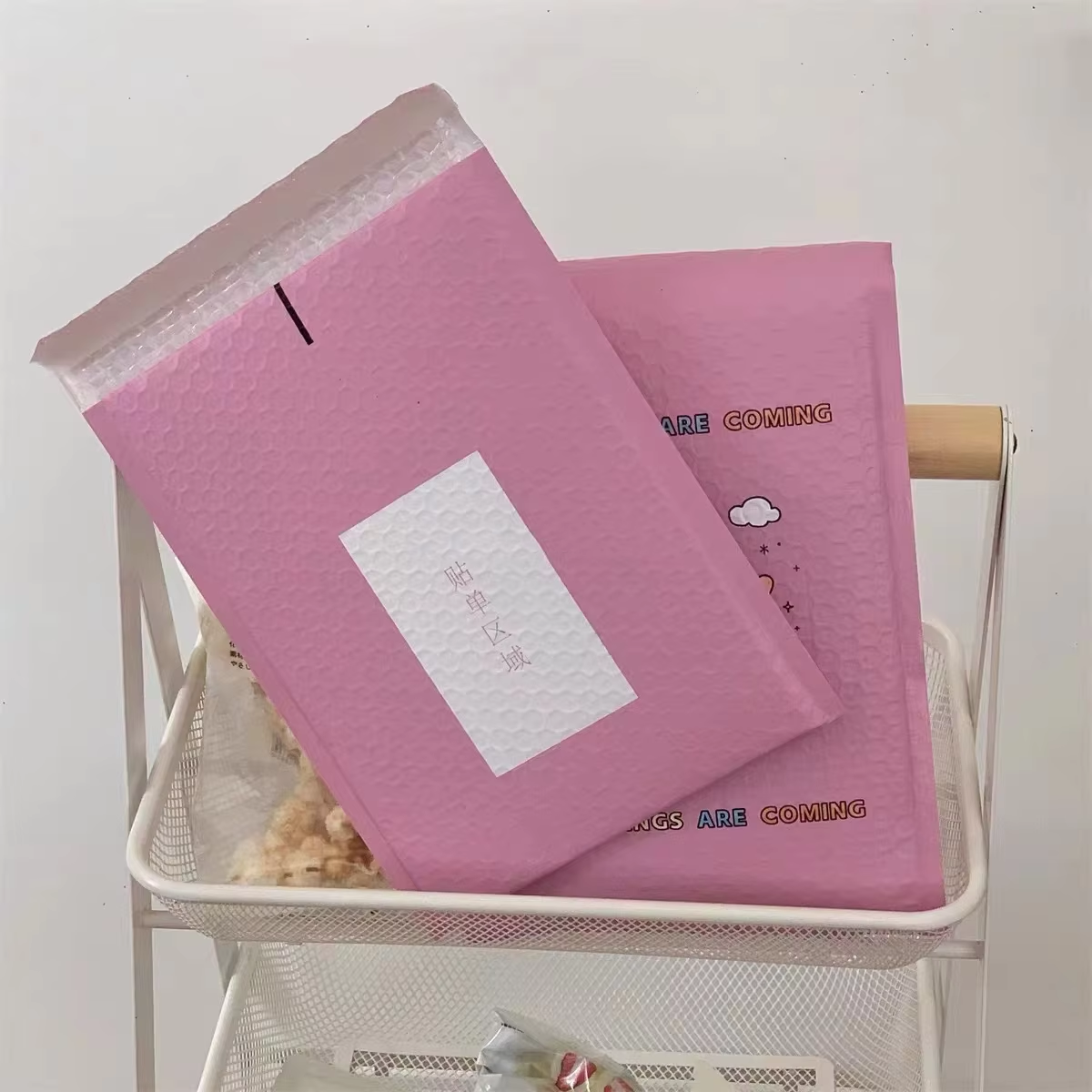
Why Reusing Mailing Bags Reduces Environmental Impact
When people reuse their mailing bags instead of tossing them after one trip, it really cuts down on environmental damage because we're not constantly pulling resources out of the ground or creating more waste. Every time someone sends something back in the same bag, they skip having to make a brand new one. That means no extra oil needed for those plastic bags or all that tree cutting required for paper versions which causes forests to shrink and adds tons of CO2 to the atmosphere. Some studies indicate if folks simply use a polypropylene mailer about five times before throwing it away, the overall carbon impact drops around three quarters when compared to buying fresh ones each time. The reason? All the energy used during manufacturing gets spread out over several trips instead of being packed into just one use.
Recycling is different from reuse in several ways. Recycling needs lots of energy for processing and usually ends up lowering the quality of materials. Reuse keeps things working as they were meant to be with very little effort involved. When people throw away those single use mailing bags, they often end up in our oceans where they break down into tiny bits of plastic that stick around for hundreds of years. If we just use these bags multiple times instead of tossing them after one go, we save materials that would have gone into making brand new ones. Think about it this way: every time someone reuses a bag, it's like not having to manufacture several replacement bags. Plus, less trash goes into landfills. The whole idea of keeping stuff in circulation rather than throwing it away works wonders for the environment right away because we skip all the manufacturing steps completely. That makes reuse a much better option compared to trying to clean up messes after everything has already been used once.
Practical Ways to Reuse Mailing Bags for Returns, Gifting, and Storage
Leveraging dual-seal designs for hassle-free returns
A lot of today's mailing bags come with those double stick strips that make them super easy to reuse when sending things back. Just lift off the first seal and there's another one underneath ready to go - no need for any tape or additional boxes lying around. These bags can actually get used two or even three times before they're thrown away, which means about 30% less trash created per package overall. More and more stores are switching to this setup since it saves their staff roughly 15 minutes on each returned item without compromising how well the products stay protected while traveling through the mail system.
Creative household repurposing (e.g., organizers, protective wraps)
Beyond shipping, mailing bags serve versatile household functions:
- Storage organizers: Cut bags into sheets to line drawers or create partitioned compartments for craft supplies
- Weatherproof wraps: Shield outdoor tools or seasonal decorations from moisture using the bag’s inherent water resistance
- Gift packaging: Decorate with stamps or ribbons for rustic-presented gifts—a practice adopted by 42% of eco-conscious consumers (Sustainable Gifting Report 2023)
- Moving protection: Wrap fragile items like glassware during relocations, leveraging the padded structure of poly mailers
| Repurposing Idea | Materials Needed | Environmental Benefit |
|---|---|---|
| Drawer liners | Scissors | Prevents new plastic purchases |
| Plant pot covers | None | Replaces single-use nursery sleeves |
| Book protectors | Tape | Extends book lifespan by 200% |
Maximizing Mailing Bag Lifespan: Durability, Care, and Limitations
When reuse is safe vs. when contamination or wear demands retirement
For safe reuse, check for structural integrity first. The seals need to close completely without leaving any gaps behind. Look at surfaces too they shouldn't have punctures or frayed edges anywhere. And those seams? They gotta hold up under normal handling pressure. If there are contaminants such as grease spots, chemical stains, or biological residue left on them, these items need to go straight out of commission right away since they pose real risks for cross contamination and break all sorts of health rules. Signs of excessive wear include material getting thinner over time. Try gently stretching the corners if light shines through easily then it's definitely time to throw it away. Tear resistance also drops off significantly. Most industry standards suggest not reusing anything more than about two or three times maximum. After that point, testing shows bags start suffering around 30 to 40 percent stress degradation from material fatigue issues. Safety comes first always remember this when looking at bags. At the first sign of visible damage or failing adhesives, send those bad boys directly into proper recycling channels instead of risking anyone's well being.
Responsible End-of-Life Options for Mailing Bags
Recycling pathways for poly mailers—and why reuse beats recycling
Specialized facilities take care of poly mailers when recycling becomes necessary, but things get tricky because contamination issues or mixed materials make processing complicated. Recycling about one ton of plastic mailers actually saves around 2.5 tons worth of CO2 emissions compared to making them from scratch. However, simple reuse creates even bigger benefits for the environment. When people use these bags multiple times instead of going through the whole recycling process, they cut down on carbon emissions by roughly three to five times what recycling alone achieves. According to a study published in Packaging Sustainability Review last year, if someone reuses their mailing bag just two times before finally sending it off for recycling, this approach reduces overall environmental harm by almost half compared to tossing it after a single use. The best strategy? Save those bags for returning items, storing stuff at home, or wrapping fragile objects during transport. Only send them for recycling when they're really beat up or soiled. Following this order makes sense since creating brand new mailers takes about 80% more energy than simply finding new purposes for old ones. That's why putting reused mailers back into circulation should be everyone's top priority when managing packaging waste responsibly.
FAQ
Why should we reuse mailing bags?
Reusing mailing bags helps reduce environmental damage by lowering resource consumption and waste production. It also decreases the carbon footprint associated with manufacturing new bags.
What are some creative ways to repurpose mailing bags at home?
Mailing bags can be repurposed for storage organizers, weatherproof wraps, gift packaging, and moving protection, among other uses.
How can I tell if a mailing bag is still safe to reuse?
Check for complete seal closures, absence of punctures or frays, and intact seams. Bags with contaminants or excessive wear should not be reused.
When should I recycle my mailing bags?
Mailing bags should be sent for recycling when they are visibly damaged, heavily soiled, or have reached the end of their usability, typically after two to three uses.