EN
EN

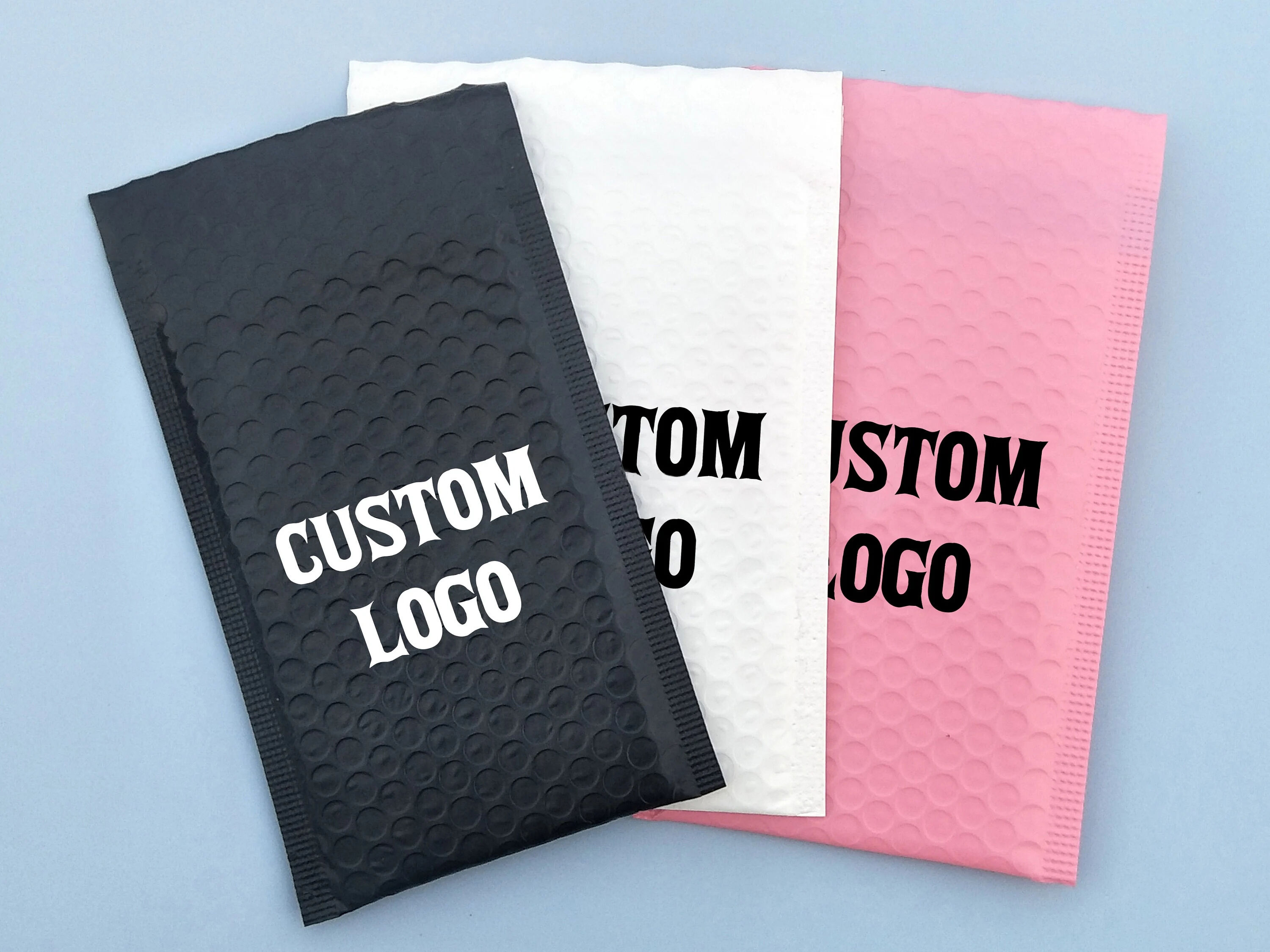
Printed mailer bags are widely used in e-commerce shipping, gift packaging, and brand promotion, as their printed designs enhance brand recognition and aesthetic appeal. However, sealing these bags can be tricky—improper sealing methods often lead to smudged, peeled, or torn printed designs, affecting brand image and product presentation. Hangzhou Chunmei Packaging Co., Ltd., a one-stop customized packaging manufacturer with over 23 years of industry experience, specializes in producing high-quality printed mailer bags using advanced printing technology and durable inks. Based on practical cases, packaging expertise, and customer feedback, this article shares professional methods to seal printed mailer bags without damaging their designs.
Choose the right sealing method for printed mailer bags
Selecting a sealing method that matches the printed mailer bag’s material and design is the first step to avoid damage. Common sealing methods include self-adhesive tape, heat sealing, pressure-sensitive adhesive strips, and twist ties—each has its pros and cons, and the right choice depends on the bag’s material (PE, PP, or composite) and print type (water-based ink, oil-based ink, or hot stamping).
Chunmei Packaging recommends pressure-sensitive adhesive strips as the most design-friendly sealing method for printed mailer bags. Our custom printed mailer bags are pre-equipped with high-quality, residue-free adhesive strips placed on the non-printed area (such as the bag’s flap or edge), ensuring no direct contact with the printed design. For heat sealing, we use low-temperature heat-sealable materials and precise temperature control to prevent ink melting or discoloration—this method is ideal for PE printed mailer bags with simple designs. We advise avoiding strong solvent-based adhesives or high-temperature sealing for bags with complex prints or hot stamping, as these can cause ink bleeding.
A clothing e-commerce brand once struggled with tape peeling off their printed mailer bag designs. After switching to our pre-equipped adhesive strip printed mailer bags, the issue was resolved—sealing became quick and easy, and no design damage occurred. Packaging technology experts emphasize that choosing the right sealing method can reduce printed design damage by 80%, preserving the bag’s aesthetic and brand value.
Prepare the sealing area properly
Proper preparation of the sealing area is crucial to prevent damage to printed designs. Dust, oil, or moisture on the bag’s surface can affect adhesive bonding or cause ink smudging during sealing. Ensuring the sealing area is clean, dry, and free of print is essential.
Chunmei Packaging’s printed mailer bags are designed with a dedicated non-printed sealing zone—usually a 2-3cm wide strip on the flap or bag opening—where no prints or designs are placed. Before sealing, we recommend wiping the sealing area with a clean, dry cloth to remove dust or debris. For bags with prints extending close to the edge, use a cardboard or plastic sheet as a barrier between the printed area and the sealing tool (such as a heat sealer) to prevent accidental contact. Avoid touching the printed designs with oily or wet hands, as this can cause smudging.
A cosmetics brand once reported smudged prints after sealing their mailer bags. Our technical team found that the issue stemmed from moisture on the sealing area. After advising the brand to dry the bags thoroughly before sealing and use our dedicated non-printed sealing zone bags, the smudging rate dropped by 90%. Packaging quality experts note that proper preparation of the sealing area can improve sealing effectiveness by 40% while protecting printed designs from damage.
Use professional sealing tools and materials
Using high-quality, professional sealing tools and materials ensures gentle yet secure sealing, minimizing damage to printed mailer bags. Low-quality tools or materials may apply uneven pressure, excessive heat, or leave adhesive residue, all of which can harm printed designs.
Chunmei Packaging provides matching sealing tools and materials for our printed mailer bags. Our recommended pressure-sensitive adhesive strips are made of non-toxic, residue-free materials that bond firmly without damaging ink. For heat sealing, we offer lightweight, adjustable heat sealers with temperature ranges of 80-120°C—perfect for printed mailer bags, as they distribute heat evenly and avoid overheating. We also recommend using acid-free, low-tack tape for temporary sealing or reinforcement, as it won’t peel off ink when removed.
A gift brand once used low-quality tape that left sticky residue on their printed mailer bags, ruining the designs. After switching to our recommended residue-free tape and adjustable heat sealer, the brand’s packaging quality improved significantly, and customer complaints about damaged designs dropped by 75%. Tool experts highlight that professional sealing tools can reduce design damage by 60% and improve sealing durability, ensuring printed mailer bags remain intact during transportation.
Master correct sealing techniques
Even with the right method and tools, incorrect sealing techniques can damage printed mailer bags. Proper pressure, temperature control, and alignment are key to gentle yet effective sealing.
For adhesive strip sealing: Peel off the protective film gently, align the flap with the bag’s opening, and press evenly from one end to the other—avoid pressing hard on the printed area adjacent to the seal. For heat sealing: Set the sealer to the recommended temperature (80-100°C for PE bags, 100-120°C for composite bags), place the sealing area between the sealer jaws, and apply light, even pressure for 2-3 seconds—do not linger or apply excessive force, as this can cause the bag to warp or ink to melt. For tape sealing: Cut the tape to the appropriate length, apply it along the non-printed sealing zone, and smooth it with a clean cloth to ensure adhesion—avoid stretching the tape, as this can cause the bag’s material to pull and the print to crack.
A small business owner once damaged their printed mailer bags by pressing too hard during heat sealing. After receiving our technical guidance on temperature control and pressure application, they successfully sealed over 500 bags without any design damage. Sealing technique experts emphasize that mastering correct methods can reduce accidental damage by 70%, ensuring printed mailer bags look professional and intact.
Test and adjust based on bag characteristics
Every printed mailer bag is unique—factors like material thickness, ink type, and print complexity can affect how it responds to sealing. Conducting a small-scale test before mass sealing and adjusting methods accordingly is essential to avoid widespread damage.
Chunmei Packaging recommends testing the sealing method on 5-10 sample printed mailer bags first. Check for ink smudging, peeling, or discoloration after sealing, and adjust the temperature, pressure, or adhesive type if needed. For bags with delicate prints or hot stamping, we suggest a lower temperature or gentler adhesive to prevent damage. Our technical team also provides customized sealing guidelines based on each customer’s printed mailer bag specifications, ensuring optimal results.
A beverage brand once tested three sealing methods on their printed mailer bags—adhesive strips, heat sealing, and tape. The test revealed that heat sealing caused minor ink discoloration, so they opted for our pre-equipped adhesive strips. The final sealing process was smooth, and all bags reached customers with intact designs. Quality control experts note that pre-sealing tests can reduce mass production damage by 90%, saving time, cost, and brand reputation.
In conclusion, sealing printed mailer bags without damaging their designs requires choosing the right method, preparing the sealing area, using professional tools, mastering correct techniques, and conducting tests based on bag characteristics. Hangzhou Chunmei Packaging Co., Ltd. combines over 23 years of expertise, advanced production technology, and customer-centric design to produce printed mailer bags that are easy to seal and durable. Our bags feature dedicated sealing zones, high-quality inks resistant to smudging, and compatibility with various gentle sealing methods. We also provide professional technical support to help customers optimize their sealing processes. Whether you’re shipping clothing, cosmetics, or gifts, Chunmei Packaging’s printed mailer bags and sealing guidance ensure your brand’s designs remain intact and impressive. Choosing Chunmei Packaging means choosing reliability, professionalism, and brand protection—we’re committed to helping you deliver products in style.