EN
EN

Using Insufficient or Inappropriate Bubble Packaging for Product Protection
Misjudging impact absorption needs based on product weight, fragility, and shipping distance
When people pick the wrong bubble wrap, it usually comes down to missing out on three main things they should consider: how heavy the item is, how fragile it actually is, and how far it needs to travel. Big heavy stuff creates way more force when dropped, so these items need extra thick layers of bubbles to absorb all that shock. Electronics that crack easily or glass parts? They need denser packing material because even small vibrations can cause tiny fractures over time. The distance matters too. Packages going across country get handled at least 20 times more often than something just going down the street according to what we see in the industry. That means those long hauls need much better protection. Missing any single aspect here can lead to real problems where what seems like normal shaking turns into total disaster for the contents. Smart packers always look at all these factors together when figuring out what kind of bubble wrap works best based on both what's being shipped and where it's headed.
Choosing single-layer over multi-layer bubble wrap without validating with ISTA-compliant drop-test data
Going with single layer bubble wrap just because it's cheaper misses the whole point of proper protection. Most single layer options (those 3/16 inch bubbles everyone knows about) only absorb around 20% of what double layer can handle, which isn't good enough when shipping anything heavier than five pounds. Double layer packs have these neat little air pockets arranged so they pop one after another when something hits them, spreading out all that impact force over time. But just making things thicker doesn't automatically mean better protection either. Getting stuff tested properly matters a lot here. The ISTA folks run these tests where they actually simulate what happens in the real world with all sorts of drops at different angles and pressures. If companies skip this step, they end up with packages looking fine on the outside but their contents getting damaged inside without anyone noticing until it's too late from those hidden G forces nobody sees coming.
Mismatching Bubble Packaging Size to Product and Void Space
The 'Goldilocks principle': Optimizing bubble volume to eliminate movement without overexpansion
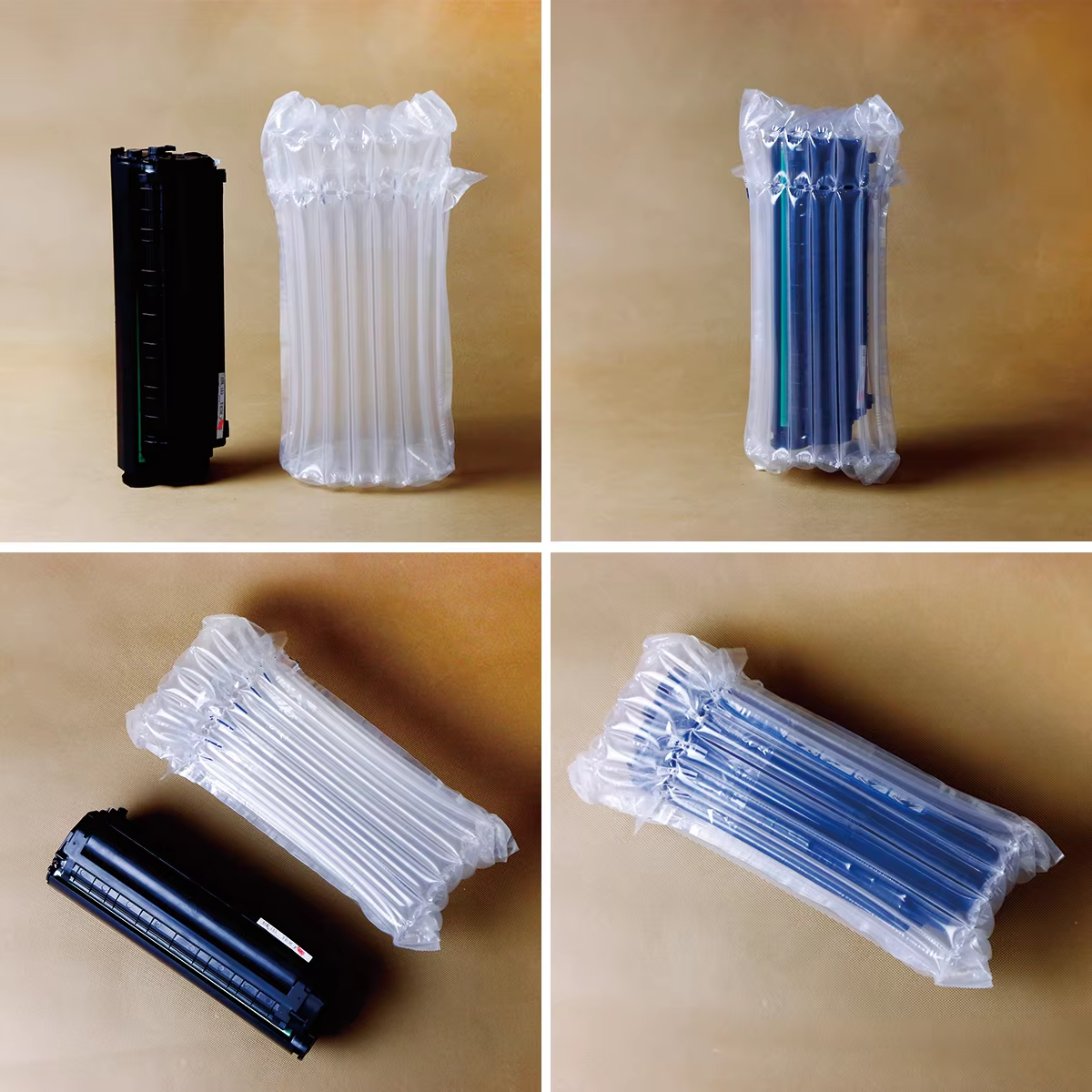
When products move around inside their packaging, they become much more likely to get damaged. Good bubble wrap works best when it fits just right—not too little so things can bounce around, but not so much that we waste materials either. If there's not enough padding, stuff moves all over the place while shipping. But putting too much in there strains the package seals, costs extra money, and might actually crush delicate parts instead of protecting them. What really works? Layering bubble wrap or using those inflatable air pillows to fill every empty space. This creates something like a personalized shock absorber for whatever needs protection. The item stays put without taking up unnecessary room or weakening the overall strength of the package.
Real-world impact: 23% rise in e-commerce returns after switching to oversized bubble mailers (ShipStation, 2023)
Using oversized packaging actually leaves big holes in product protection. Retailers saw return rates jump about 23 percent after switching to bigger bubble mailers for all sorts of goods, per ShipStation's look at shipping data from last year. The extra room inside these packages lets things move around too much, particularly when packages get dropped vertically during transport. This is really bad news for oddly shaped items since regular bubble wrap just doesn't fit right around them. Getting the package size right cuts down on returns processing expenses by roughly 17% overall and also means less wasted materials. So proper sizing isn't just good business sense, it helps both the bottom line and environmental goals at the same time.
Overlooking Product-Specific Requirements in Bubble Packaging Selection
Static-sensitive electronics: Why standard bubble packaging risks ESD damage—and what to use instead
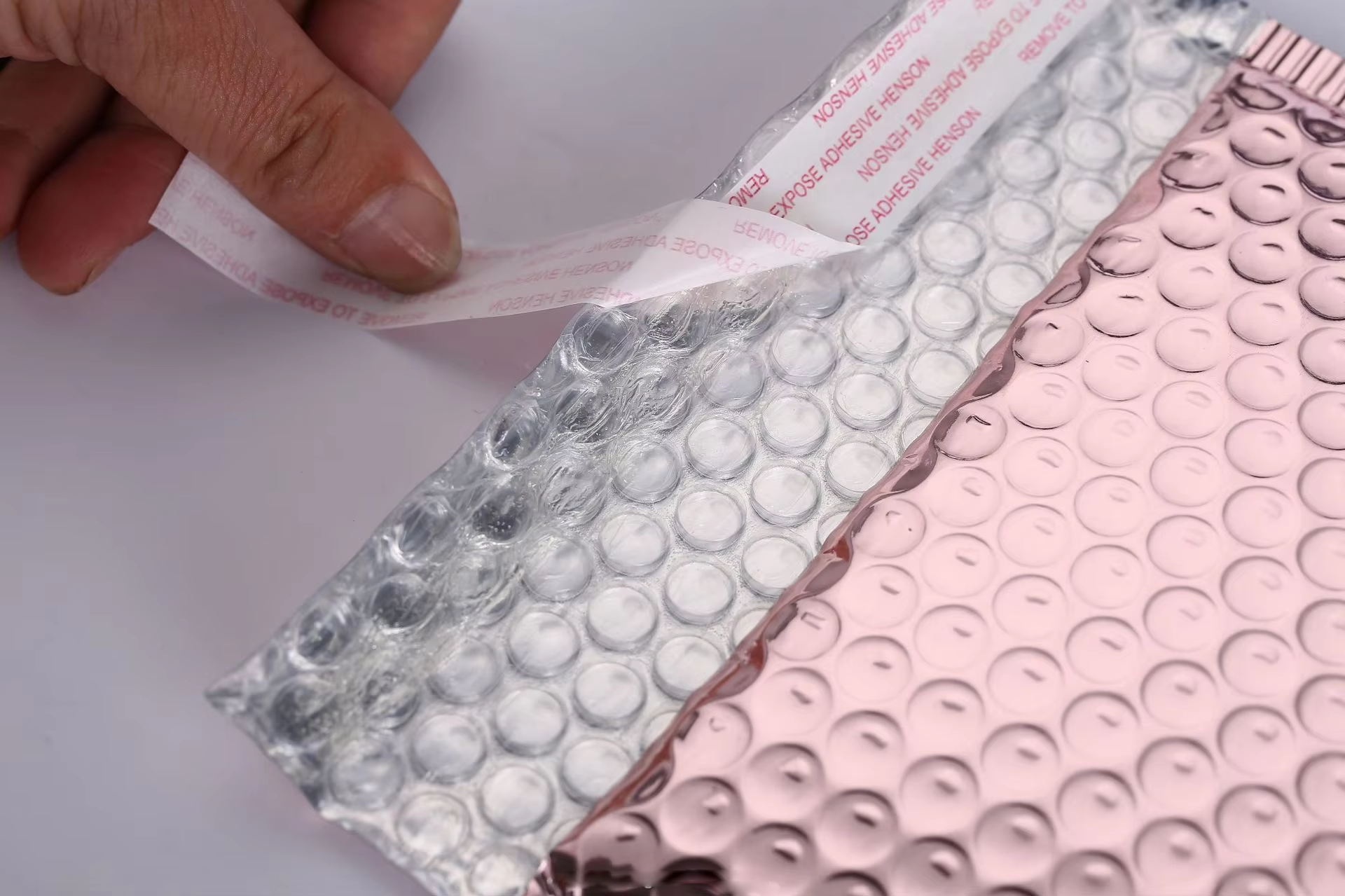
Regular bubble wrap creates a lot of static electricity when it moves around, which can really mess up delicate electronics such as printed circuit boards, various sensors, and tiny computer chips. The sudden voltage jumps might lead to hidden problems down the road or even total destruction right away while products are being shipped. Better options exist though. Some bubble materials are specially made to fight static buildup, or they come with those pink coatings that stop static from forming. These specially designed packages help avoid expensive issues later on like product returns or warranty repairs. Most companies in the business know this is how things should be done if they want to keep their electronic parts safe during transport.
Neglecting Operational Best Practices for Bubble Packaging Application
Sealing failures: How improper tape placement and low-adhesion surfaces compromise bubble packaging integrity
When sealing techniques go wrong, they really mess up how well bubble packaging works when things are shipped around. If tape doesn't completely cover those overlapping seams or if it goes too far past the edge of the material, we end up with little air pockets forming right there where the weakest spots will develop. These spots tend to split apart when packages get compressed during transport. And this problem gets worse when dealing with low stick surfaces such as recycled plastic materials because these just don't hold onto tape nearly as good as regular stuff does. What happens then? Well, seams start opening up once temperatures change or vibrations kick in for long periods. Products inside become vulnerable to getting hit, getting wet, maybe even picking up dirt or other contaminants. For best results, always reach for pressure sensitive tapes that stretch out about an inch and a half past each seam line. Before sending anything out though, check whether these tapes actually work well with whatever kind of packaging material is being used first.
Labeling and sizing errors: Why 68% of damaged-in-transit claims involve misapplied or undersized bubble packaging (Pitney Bowes, 2024)
When bubble packaging is too small, products can shift around dangerously during shipping. On the flip side, using too much material leads to items bouncing around inside the box, which actually makes them less protected. Throw in labeling mistakes like hidden handling instructions or FRAGILE stickers stuck on the wrong spot, and things really start going wrong. According to Pitney Bowes research from 2024, nearly two thirds of all damage claims happen because of these kinds of packing errors, especially when corners and edges aren't properly wrapped in bubble wrap. To fix this problem, companies should consider implementing systems where packages get scanned for correct size before shipping. Also making sure labels appear on three different sides of each package would go a long way toward preventing these avoidable damages that cost businesses so much money every year.