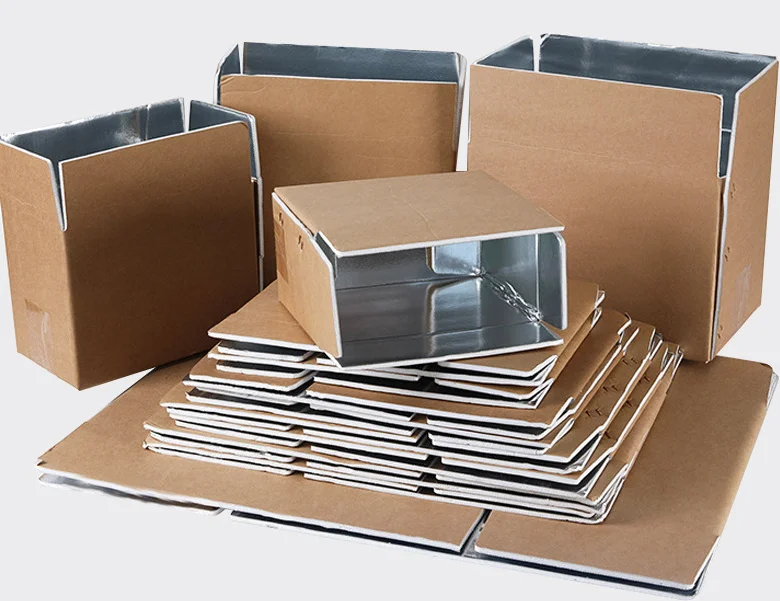
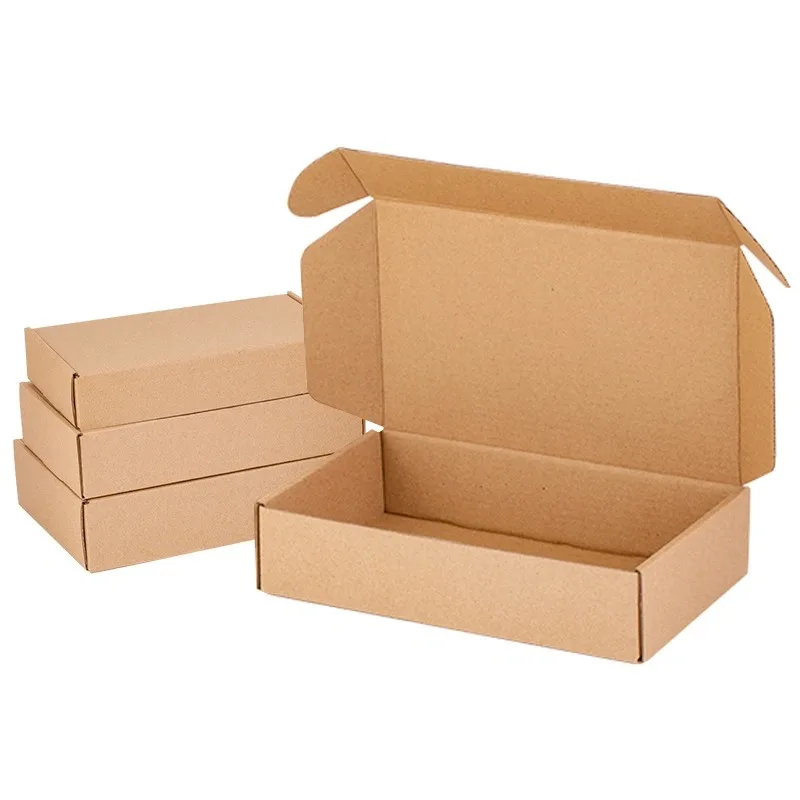
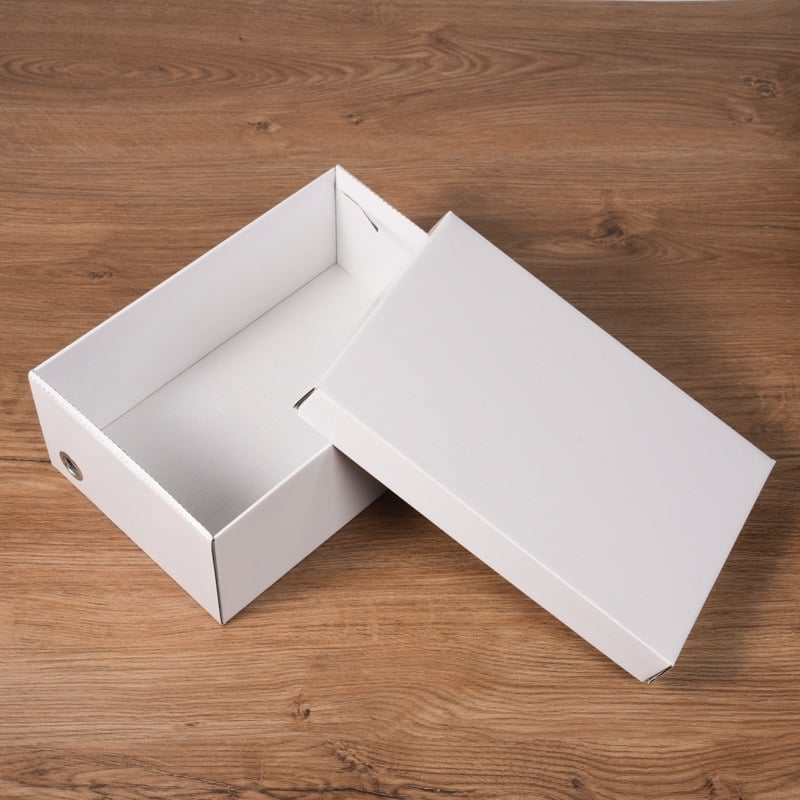
Regular folding boxes get made to exact measurements, which means they tend to break down pretty easily if what goes inside is just a little bit bigger than specified. Sometimes products will be off by 1 or 2 percent, but that small difference creates all sorts of trouble. When there's even a minor mismatch in size, several things start going wrong at once. The flaps don't fit together properly anymore, so stuff can slip out. Inside pressure builds up because the box isn't sealed tight enough, causing it to bulge outward and making stacks unstable. Worst of all, closures fail much more often under these conditions. Some industry research points to around a 30% increase in failed closures when boxes aren't sized right, mostly because adhesives come loose or tabs pop off completely. All these issues come back to strict manufacturing rules that focus too much on getting everything exactly the same rather than allowing some flexibility for real world variations.
The performance of folding boxes really depends on how tightly controlled the manufacturing tolerances are, usually around plus or minus half a millimeter. These strict standards keep things consistent across batches but don't allow much wiggle room when it comes to size variations. If products go beyond those limits even just a little bit, problems start multiplying fast. Die cutting gets inconsistent, fold lines experience more stress, materials resist compression differently, and those flaps just won't align properly anymore. Industry testing shows something pretty shocking too: going over standard dimensions by only 3 percent can actually result in six times more box failures than normal. What we see here is basically a system built for maximum output and speed rather than adaptability. This makes such boxes struggle when dealing with items that naturally change size or expand because of humidity or temperature changes in storage conditions.
When we tweak where and how deep the scores are made on folding cartons, they can actually stretch out just enough without falling apart. The shallower scores, about 30 to 40 percent of the cardboard's thickness, make the panels bend better so boxes don't get damaged when packing bigger items inside. Some smart folks in the industry have started using double scoring techniques too. This basically spreads out the pressure points so boxes expand where it doesn't matter much but stays strong at the important parts like closures. Big box makers who need thousands of identical units rely on digital templates for their scoring lines because even tiny variations between batches cause problems down the line. Companies that apply these changes to boxes designed for items 3 to 5 percent larger than regular sizes see roughly 15 fewer closure issues per hundred boxes produced. That kind of improvement really shows how small adjustments in creasing can make packaging work better under real world conditions.
Making small adjustments to panels helps fit different sizes without weakening the overall structure. Cutting down the main panel height by about 2 to 3 millimeters gives extra space vertically for bigger products, and longer flaps keep things stacked properly. The areas around corners (within roughly 10mm) need special attention since they're crucial for holding weight and keeping everything stable. When changing widths, sloped sides make it easier to get products in place without compromising how well they hold up under pressure. Most of these modifications work great with progressive die cutting techniques where blades can just move around in current tools instead of needing entirely new ones. Once any resizing is done, don't forget to test everything thoroughly under actual conditions to check if it will last over time.
When choosing between corrugated and solid fiberboard for folding boxes, the decision really matters when dealing with oversized items. Corrugated board has those flutes running through it which give it much better flexibility and bounce back capability. These boards can actually squish down around 15% when something heavy sits on them and then pop back almost to where they started. That kind of give makes corrugated great for situations where boxes need to expand temporarily during packing or shipping. Plus, those little air pockets in the flutes help spread out impacts so the box holds up better after being handled multiple times. Solid fiberboard tells a different story though. While it can hold about 30 to 40 percent more weight sitting still, it doesn't compress at all. This means bigger stuff packed inside might cause permanent dents or warping over time. Looking at what happens after compression shows another difference. Most corrugated boxes get back around 95% of their original shape, but solid ones tend to keep some sort of memory of being crushed, usually keeping over 5% deformation even after unpacking. So if a box needs to protect contents while still adapting to changes in size, corrugated typically wins out. But manufacturers still go with solid fiberboard when transporting heavy, stable loads where stiffness is absolutely necessary.
Once modifications are made, rigorous testing is essential to ensure reliability in distribution. Key validation steps include:
According to packaging validation experts, boxes that haven't been properly tested show around 23% more failures during shipping compared to standard ones. If we want real world results that match what happens in the lab, companies should run through at minimum three rounds of testing with prototypes that look just like what gets produced. Each round needs to push things harder until we see where exactly they break down. Following this method helps make sure when we tweak box designs for different sizes, they still protect whatever's inside them effectively. Many manufacturers have found this works best because it balances protection against practical considerations like space constraints.
 Hot News
2025-10-31
2025-11-02
2025-10-15
2025-11-12
 EN
EN