Choose the right type and thickness of bubble packaging
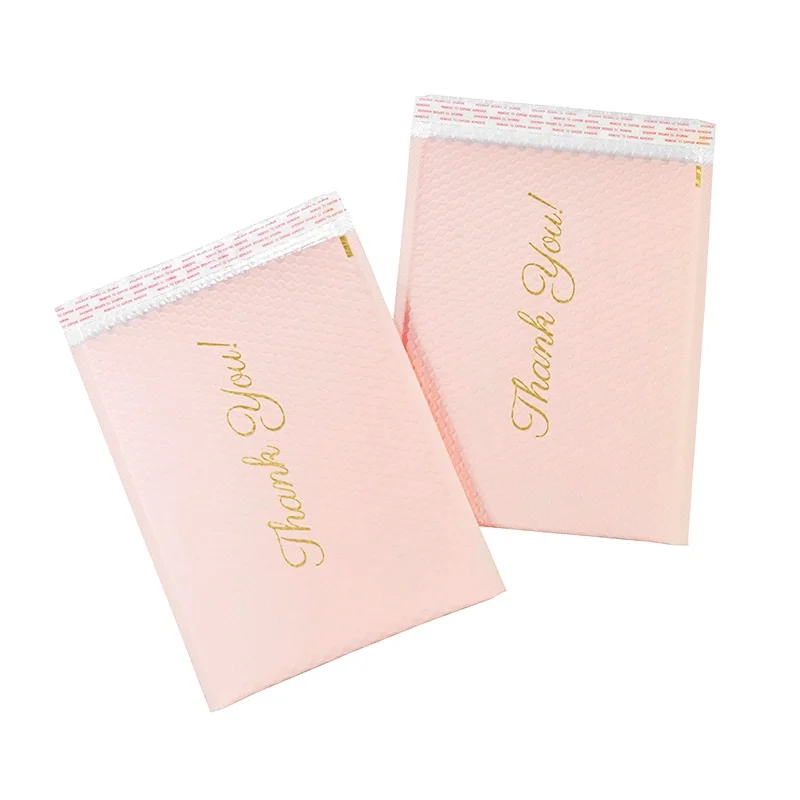
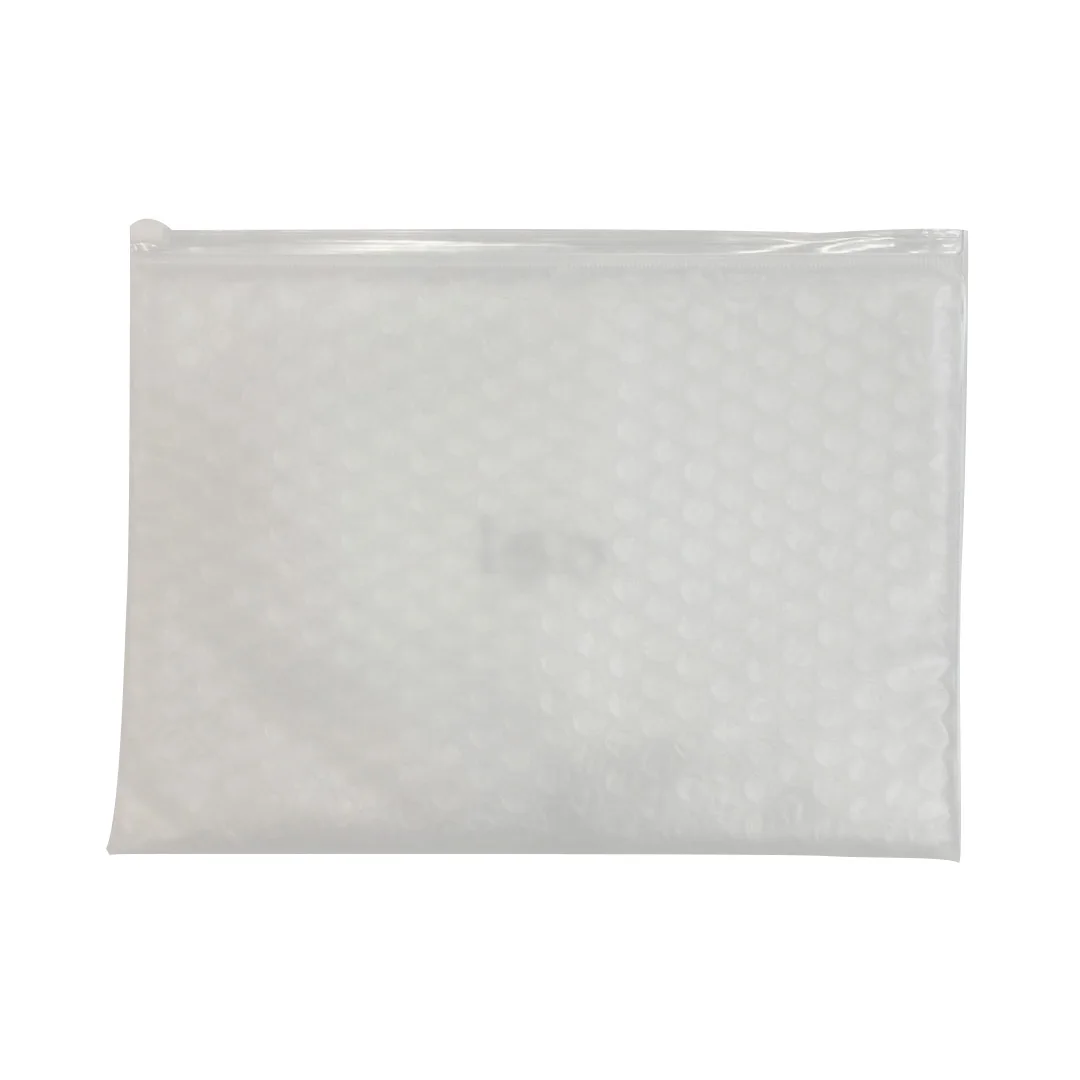
The first step to safe fragile item wrapping is picking the correct bubble packaging. Not all bubble packaging is the same—bubble size and material thickness vary, and each suits different fragile items. Small bubbles (around 3/16 inch) are perfect for delicate items like glassware, jewelry, or electronics. Their dense structure provides gentle, even cushioning that absorbs small shocks. Large bubbles (1/2 inch or more) are better for larger fragile items such as vases, bowls, or small appliances. They offer more air cushioning to handle bigger impacts during transit. Thickness matters too—thin bubble packaging works for lightly fragile items, while thick, multi-layered bubble packaging is a must for highly breakable goods. Also, consider the material: PE or HDPE bubble packaging is durable and waterproof, protecting items from moisture. Matching the bubble packaging to your item’s size and fragility ensures the first layer of protection is solid.
Prepare fragile items and bubble packaging for wrapping
Proper preparation before wrapping saves time and ensures better protection. First, clean the fragile items to remove dust or debris—this prevents scratches during transit. For items with sharp edges (like glassware with handles or ceramic figurines), cover the edges with small pieces of bubble packaging or tissue paper to avoid piercing the bubble packaging. Cut the bubble packaging into appropriately sized sheets—each sheet should be large enough to wrap around the item at least twice. Lay the bubble packaging flat with the bubble side facing inward toward the item—this way, the bubbles are pressed against the surface, providing direct cushioning. If you’re wrapping multiple fragile items together, prepare separate bubble packaging sheets for each to prevent them from scratching each other. Having all materials ready (bubble packaging, tape, tissue paper) before starting keeps the process smooth and avoids rushing, which can lead to sloppy wrapping.
Master the correct wrapping technique for bubble packaging
Wrapping fragile items with bubble packaging isn’t just about covering them—it’s about creating a secure cushion. Start by placing the fragile item in the center of the bubble packaging sheet, bubble side in. Fold one side of the bubble packaging over the item, pressing gently to let the bubbles conform to the shape. Then fold the opposite side over, overlapping the first layer by at least two inches to ensure full coverage. For long items like wine bottles or picture frames, roll the item in the bubble packaging instead of folding, keeping the bubbles tight against the surface. Pay extra attention to corners and edges—these are the most vulnerable parts. Wrap these areas with extra layers of bubble packaging or fold the bubble packaging to create a padded barrier. Once the item is fully wrapped, use packing tape to secure the bubble packaging in place. Tape along the seams and around the entire package to prevent the bubble packaging from unraveling. The goal is to have a snug, padded wrap that stays in place and doesn’t shift during transit.
Combine bubble packaging with other cushioning materials
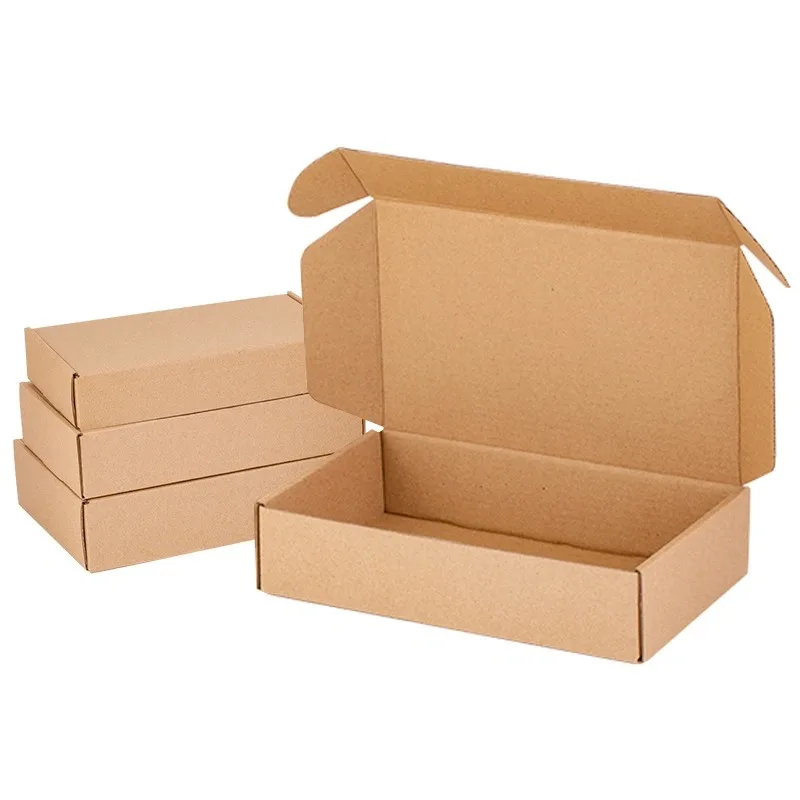
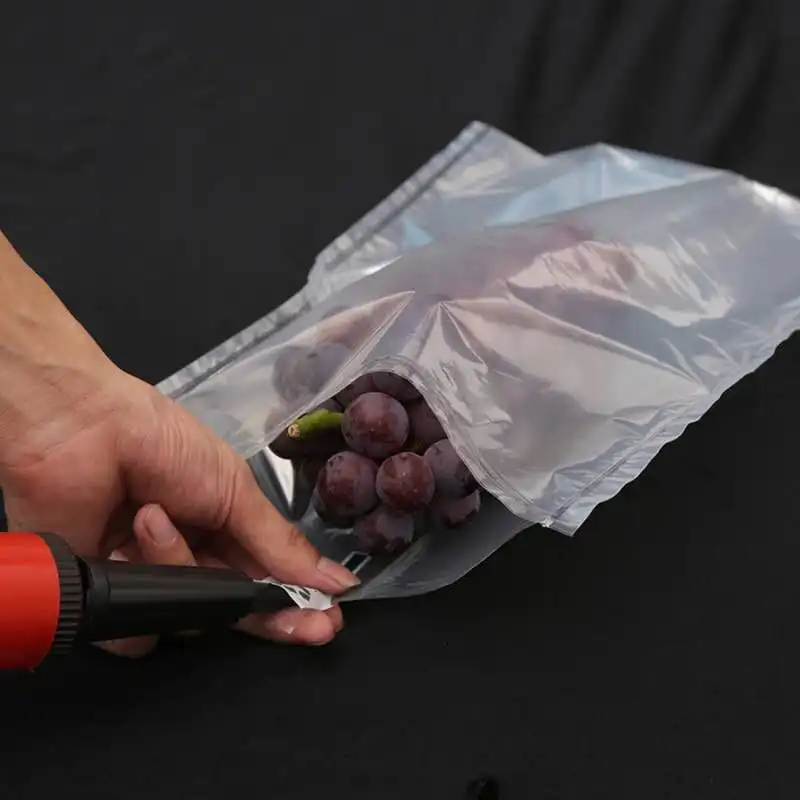
For extra protection, pair bubble packaging with other cushioning materials. After wrapping the fragile item in bubble packaging, place it in a cardboard box lined with additional bubble packaging, air pillow bags, or packing peanuts. The outer cushioning fills empty spaces in the box, preventing the wrapped item from moving around. For extremely fragile items like antique glass or sensitive electronics, add a layer of tissue paper or foam between the item and the bubble packaging to reduce friction. If you’re shipping multiple fragile items in one box, wrap each item individually in bubble packaging first, then separate them with cardboard dividers or more bubble packaging. This creates a buffer between items and prevents them from colliding. Combining bubble packaging with other materials creates a multi-layered protection system that handles shocks, vibrations, and pressure from all angles. It’s overkill for slightly fragile items, but for valuable or highly breakable goods, it’s worth the extra effort.
Final checks and proper box sealing
After wrapping and packing, a few final checks ensure your fragile items are safe for shipping. Gently shake the box—if you hear movement, add more cushioning materials to fill the gaps. Press lightly on the box to test the bubble packaging’s cushioning—you should feel resistance from the bubbles, not the hard surface of the fragile item. Check that all seams of the bubble packaging are secured with tape and that no part of the fragile item is exposed. Label the box clearly with “Fragile” and “This Side Up” to alert handlers to treat the package with care. When sealing the box, use heavy-duty packing tape to close the flaps, reinforcing the bottom and top with extra tape. For extremely valuable items, double-box them—place the wrapped item in a smaller box, then put that box inside a larger one filled with cushioning materials. These final steps ensure that the bubble packaging does its job and that your fragile items arrive at their destination intact.
.jpg](https://shopcdnalpha.grainajz.com/category/398866/4295/add00854fda953eb6751bcce7cafe4b8/Hf446fd77477f4206b63dc224b86ebd75B%5B1%5D%281%29.jpg)
 Hot News
 EN
EN