Understand common flute types for cardboard box
When it comes to cardboard box protection, the flute type—the wavy layer between the two flat liners—plays a huge role. There are several common flute types used in cardboard boxes, each with unique properties. The most popular ones are A, B, C, E, and F flutes. A flutes are the tallest with wide waves, making them great for shock absorption. B flutes are shorter and denser, offering excellent stacking strength. C flutes strike a balance between A and B—they’re flexible yet sturdy, ideal for most general uses. E flutes are thin and flat, perfect for lightweight items that need a neat appearance. F flutes are even thinner, providing a smooth surface for printing while still offering basic protection. Knowing the differences between these flute types helps you pick the right one for your cardboard box, ensuring it can handle the specific demands of your items.
Match flute type to item weight and fragility
The key to maximizing cardboard box protection is matching the flute type to the weight and fragility of your items. For heavy or fragile goods like glassware, electronics, or industrial parts, A or C flutes are the best choice. A flutes’ tall waves act like springs, absorbing shocks during transit and preventing damage. C flutes offer similar cushioning but with better stacking strength, making them suitable for heavy items that need to be piled. For medium-weight items like books, clothing, or small appliances, B or C flutes work well. B flutes’ dense structure can withstand pressure without collapsing, keeping the cardboard box rigid. For lightweight, non-fragile items such as documents, small accessories, or snacks, E or F flutes are sufficient. They’re lightweight and cost-effective, while still providing enough protection to keep items clean and intact. Choosing a flute type that’s too weak for heavy items will lead to a damaged cardboard box, while using an overly thick flute for light items wastes money and space.
Consider shipping and storage conditions for flute selection
Shipping and storage conditions should also guide your flute type choice for cardboard box. If your cardboard box will go through rough handling—like being sorted by machines, stacked high, or transported over long distances—you need a robust flute type. A or double-walled flutes (combining two flute types) offer extra durability to withstand bumps and pressure. For items stored in warehouses for long periods, B flutes are excellent because their dense structure resists crushing under stacked weight. If your cardboard box will be exposed to moisture during shipping or storage, look for flutes paired with water-resistant liners, but the flute type still matters—A flutes trap more air, which can lead to moisture retention if not protected, while B flutes are less prone to this. For express shipping where speed and handling efficiency are key, a balanced flute like C ensures the cardboard box is sturdy yet not too bulky. Considering these conditions ensures your cardboard box stays protective no matter where it goes.
Balance protection, cost, and sustainability with flute type
Choosing the right flute type for cardboard box is also about balancing protection, cost, and sustainability. Thicker flutes like A or double-walled options offer the best protection but are more expensive and use more material. For businesses shipping large volumes, this can add up quickly. Thinner flutes like E or F are cheaper and more eco-friendly, using less paper and being easier to recycle. However, they provide less protection, so they’re only suitable for specific items. C flutes are a great middle ground—they offer good protection at a reasonable cost and are still sustainable. It’s important to avoid over-engineering: using a heavy-duty flute for lightweight items increases packaging waste and costs unnecessarily. On the flip side, skimping on flute strength for fragile items leads to damage and returns, which are also costly. By matching the flute type to your actual needs, you get the protection you need without wasting resources. This balance is good for your budget and the environment.
Verify flute type compatibility with cardboard box design
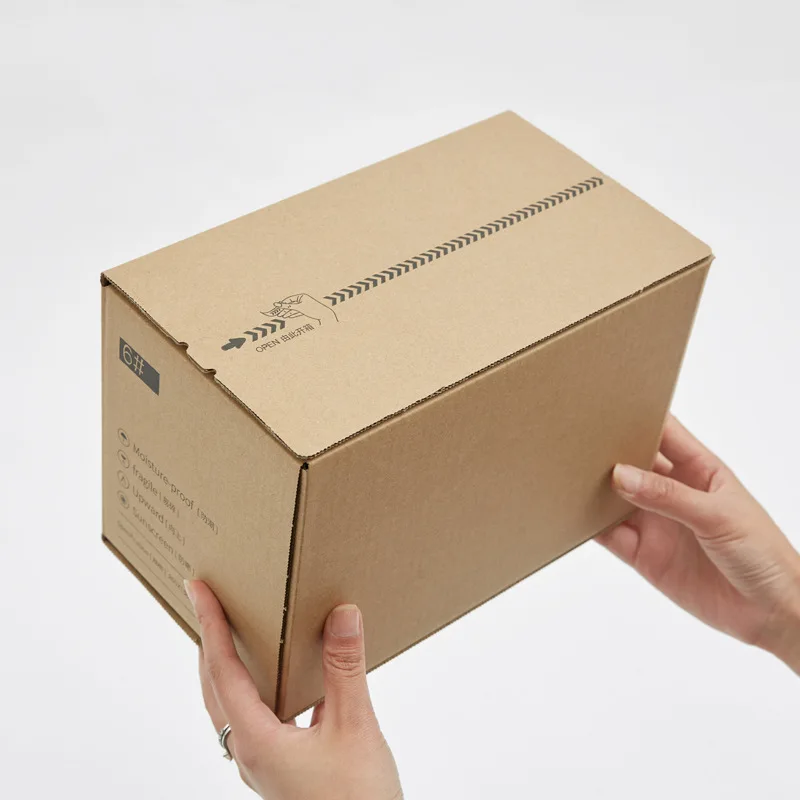
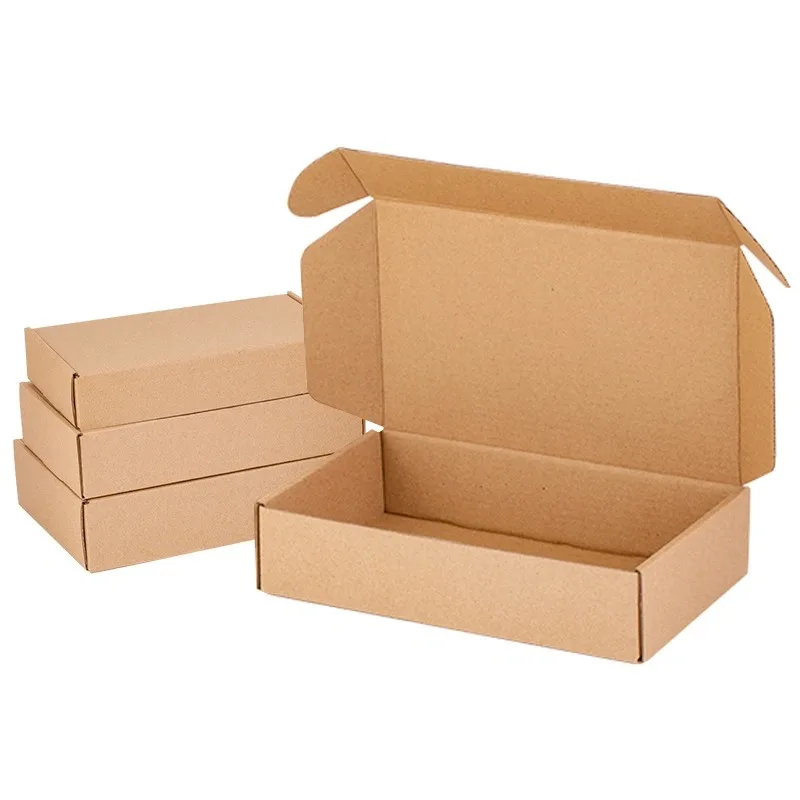
Finally, ensure the flute type you choose is compatible with your cardboard box design. Some flute types work better with certain box styles and sizes. For example, E or F flutes are ideal for small, folding cardboard boxes like those used for retail products, as their thin profile allows for neat folding and a smooth surface for printing logos or labels. A or C flutes are better for large, rigid cardboard boxes used for shipping furniture or appliances, as they need the extra strength to maintain shape. Double-walled flutes are great for custom-sized cardboard boxes that need to fit irregularly shaped items, as they offer both strength and flexibility. Before finalizing your choice, test the flute type with your box design—fold a sample box, check how it holds shape, and see if it can accommodate your items without bending or breaking. Ensuring compatibility means your cardboard box not only has the right protection but also functions well as a package, making packing, sealing, and handling easier.
 Hot News
 EN
EN