Choose the right cardboard box base for heavy loads
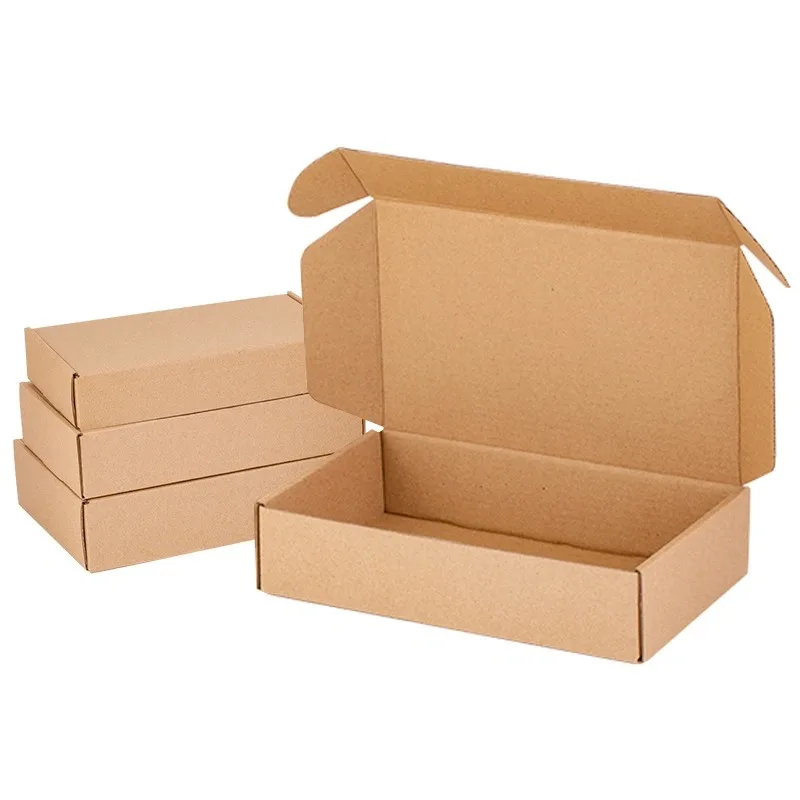
Reinforcing a cardboard box for heavy items starts with picking the right base box—you can’t reinforce a weak or flimsy one to hold heavy loads. Opt for a double-walled or triple-walled corrugated cardboard box instead of a single-walled one. These thicker structures have extra layers of corrugation that boost strength and resistance to crushing. Check the cardboard box’s weight capacity rating before use—most manufacturers mark this on the box or in product details. Make sure the cardboard box is slightly larger than the heavy item, leaving 2-3 inches of space on all sides for padding and reinforcement. Avoid using old or damaged cardboard boxes that have creases, tears, or worn edges—these weak points will fail even with extra reinforcement. Starting with a sturdy, appropriate cardboard box lays the foundation for safe heavy item packaging.
Reinforce the bottom of the cardboard box for stability
The bottom of the cardboard box takes the most weight of heavy items, so it needs extra reinforcement to prevent collapsing. First, fold the bottom flaps correctly—short flaps first, then long flaps, ensuring full overlap. Apply a strip of heavy-duty packing tape along the center seam where the flaps meet, pressing firmly to bond it to both sides. Next, add two more strips of tape along the edges of the bottom flaps, covering the corners which are prone to splitting. For ultra-heavy items, you can line the bottom of the cardboard box with a sheet of thick cardboard or a piece of plywood cut to fit—this distributes the weight evenly across the base. Another trick is to wrap tape around the entire bottom perimeter of the cardboard box, creating a tight, reinforced seal. A well-reinforced bottom keeps the cardboard box stable and prevents the heavy item from breaking through during transit.
Strengthen the sides and corners of the cardboard box
Heavy items can push against the sides of the cardboard box, causing bulging or tearing, so reinforcing the sides and corners is crucial. For the sides, cut strips of corrugated cardboard or rigid foam to fit the inner walls and tape them in place—this adds rigidity and prevents the sides from caving in. You can also apply packing tape horizontally and vertically across the outer sides of the cardboard box, creating a grid pattern that boosts strength. Corners are the most vulnerable parts of a cardboard box, so reinforce them with extra layers of tape or corner protectors. Cut small squares of cardboard and tape them over each corner both inside and outside the box. For extremely heavy items, use plastic or metal corner guards that clip onto the cardboard box corners, providing durable protection against impacts and weight pressure. Strengthening these high-stress areas ensures the cardboard box maintains its shape under the weight of heavy items.
Use proper padding and internal reinforcement
Padding doesn’t just protect the heavy item from damage—it also helps distribute weight and reinforce the cardboard box from the inside. Use dense, shock-absorbing materials like bubble wrap, foam inserts, or air column bags around the heavy item. Fill any empty spaces with packing peanuts or crumpled kraft paper to prevent the item from shifting—movement inside the cardboard box can create uneven pressure and weaken the structure. For irregularly shaped heavy items, create a custom insert using corrugated cardboard or foam to cradle the item and keep it centered. You can also add a layer of cardboard between the item and the box walls for extra support. Avoid using soft or compressible padding that will flatten under the heavy item—this won’t provide any structural reinforcement. Proper internal padding and reinforcement work with the cardboard box to handle the weight safely.
Secure the top and finalize cardboard box reinforcement
Once the heavy item is packed and the internal reinforcement is done, securing the top of the cardboard box completes the reinforcement process. Fold the top flaps the same way as the bottom—short flaps first, then long flaps—and seal them with heavy-duty packing tape. Apply tape along the center seam and edges, just like the bottom. For extra security, wrap tape around the entire top perimeter of the cardboard box. If the cardboard box is extra large or holding an extremely heavy item, add a layer of cardboard over the top flaps before taping—this creates a reinforced lid that resists crushing. Finally, label the cardboard box clearly with “Heavy” and “This Side Up” to alert handlers to the weight and proper orientation. A fully reinforced top prevents the box from opening and ensures the heavy item stays secure. Taking these final steps gives you confidence that the cardboard box can safely transport even the heaviest items.
 Hot News
 EN
EN