Excellent load bearing capacity and protection for cardboard box
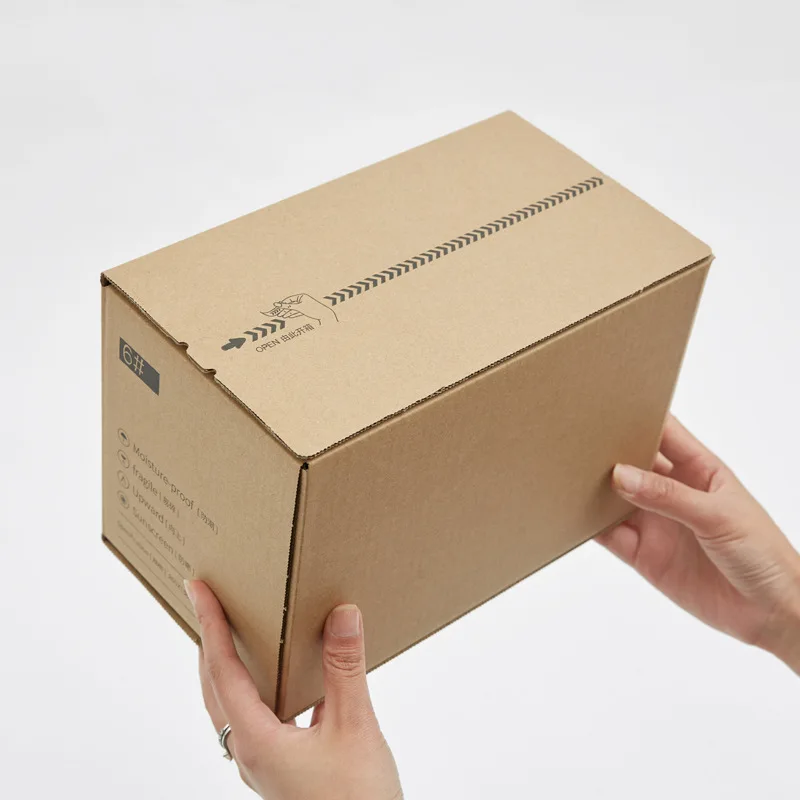
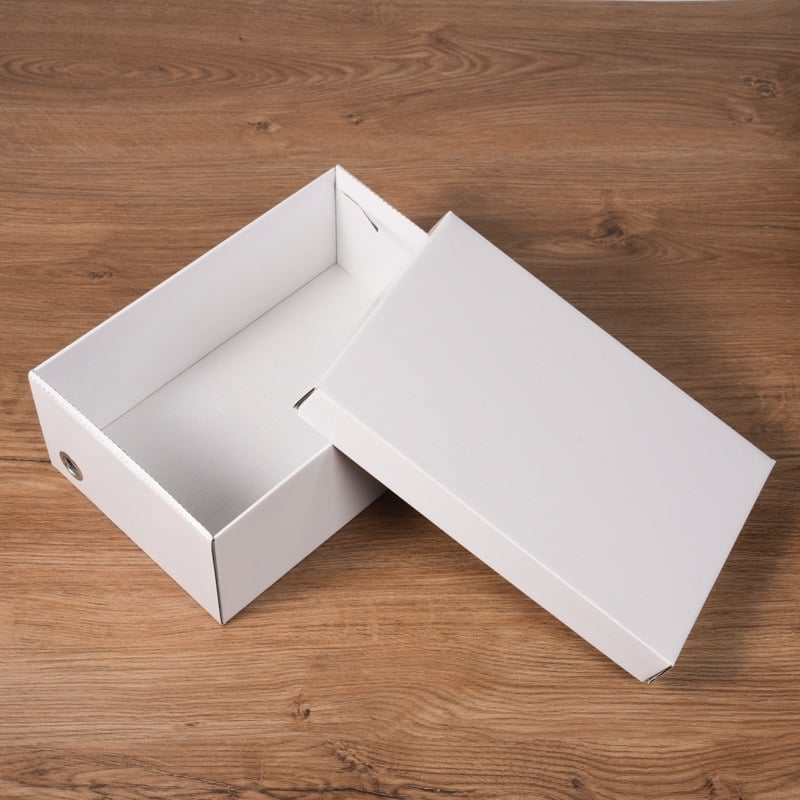
Cardboard boxes have long been trusted in logistics because of their impressive load bearing capacity and protective properties. Made from layered corrugated paper, a quality cardboard box can withstand the weight of stacked packages during transit without collapsing. The corrugated structure acts like a buffer, absorbing shocks and vibrations that happen during shipping—whether it’s being tossed onto a delivery truck or sorted by machines. This protection is crucial for all kinds of items, from fragile glassware and electronics to heavy books and industrial parts. Unlike flimsy plastic bags or thin paper bags, a cardboard box keeps its shape and shields contents from scratches, dents, and external pressure. You can also reinforce it with extra tape or add padding inside for extra safety. For logistics companies and businesses, knowing that a cardboard box can reliably protect goods from warehouse to doorstep makes it an indispensable choice.
Lightweight and cost effective advantages of cardboard box
One of the biggest reasons cardboard boxes are the top pick for logistics is their perfect balance of lightweight design and cost effectiveness. Cardboard is naturally light, which means using a cardboard box doesn’t add much extra weight to the shipment. This directly translates to lower shipping costs, especially for carriers that charge by weight or dimensional weight. Compared to heavy packaging options like wooden crates or metal containers, a cardboard box is much more affordable to produce, purchase, and transport. Businesses that ship large volumes of goods save a fortune by choosing cardboard boxes over pricier alternatives. They’re also easy to source—you can find cardboard boxes in various sizes at most packaging suppliers, and they’re often available at wholesale prices. Even for small businesses or individual shippers, cardboard boxes are budget friendly without compromising on quality. This combination of light weight and low cost makes cardboard boxes a practical and economical choice for logistics packaging.
Versatility and customizable features of cardboard box
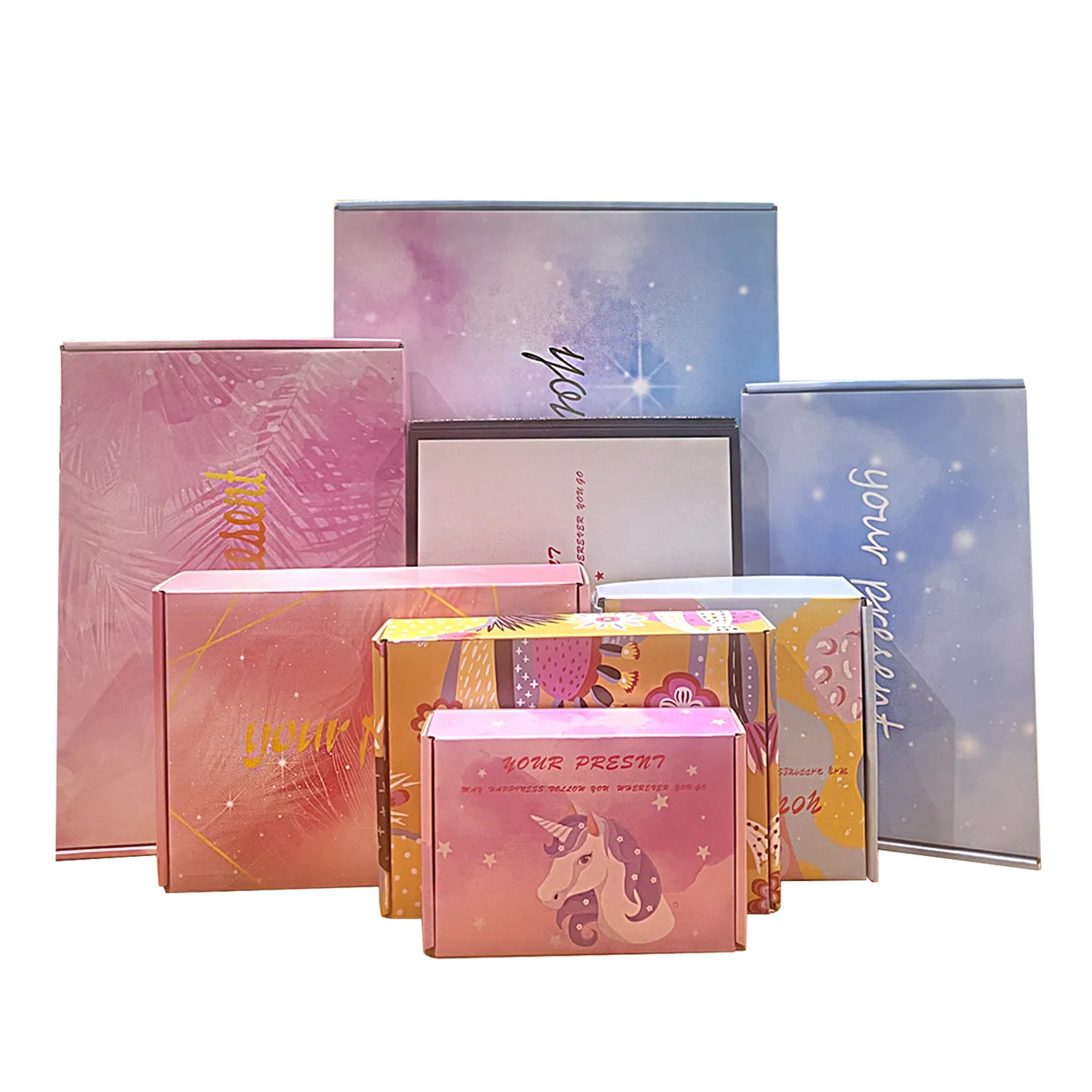
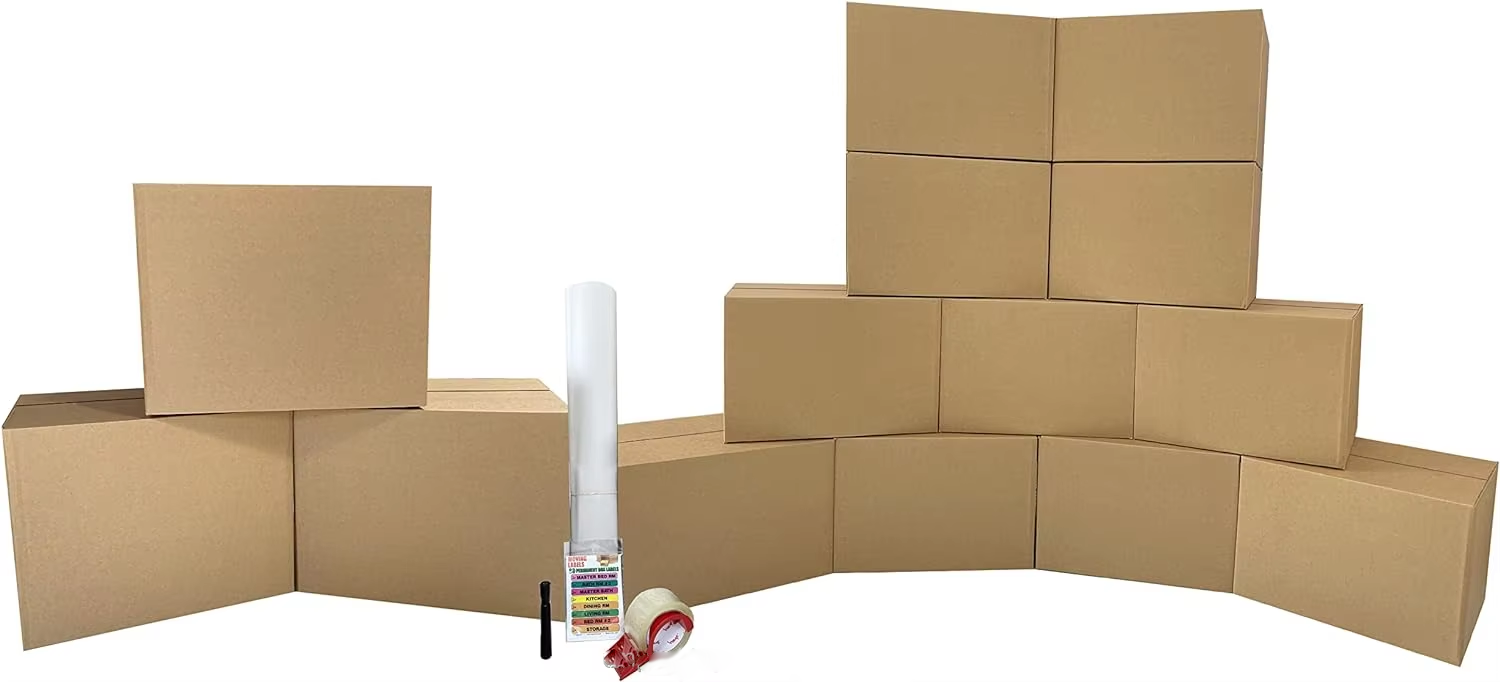
Cardboard boxes are incredibly versatile, which fits the diverse needs of logistics packaging perfectly. They come in countless sizes and shapes—from small boxes for jewelry and gadgets to large ones for furniture parts and appliances. You can also find specialized cardboard boxes like telescopic boxes for tall items or double walled boxes for extra strength. What’s more, cardboard boxes are easy to customize. Businesses can print their logos, brand colors, shipping labels, or handling instructions directly on the cardboard box, turning packaging into a marketing tool. For specific needs, you can cut, fold, or modify a cardboard box to fit irregularly shaped items. Whether you’re shipping clothing, food products, or industrial components, there’s a cardboard box that can meet the requirement. This versatility means logistics companies don’t have to stock multiple types of packaging materials—cardboard boxes can handle most shipping tasks. It’s no wonder they’re the go to choice for so many different industries.
Eco friendly and easy to handle properties of cardboard box
In today’s world, eco friendliness is a key consideration for businesses and consumers alike, and cardboard boxes deliver on this front. Most cardboard boxes are made from recycled paper, and they’re fully recyclable themselves after use. This reduces waste and minimizes the environmental impact compared to non recyclable packaging like plastic foam or certain types of plastic. Cardboard boxes are also biodegradable, so they won’t linger in landfills for decades. Beyond being green, cardboard boxes are incredibly easy to handle in logistics operations. They’re lightweight enough for workers to carry and stack without straining, and their flat design makes them easy to store when not in use—you can fold them flat and pile them up, saving valuable warehouse space. Loading and unloading cardboard boxes is also simpler, as they fit neatly into trucks, containers, and shelves, maximizing space utilization. Their easy handling speeds up the entire logistics process, from packing to delivery.
Reliable sealing and compatibility with logistics processes
Cardboard boxes are designed to work seamlessly with standard logistics processes, and their reliable sealing is a big part of that. Unlike some packaging materials that are hard to seal properly, a cardboard box can be securely closed with packing tape, adhesive strips, or even staples. This tight seal prevents items from falling out or getting damaged by dust, moisture, or debris during transit. Cardboard boxes also work well with common logistics equipment—they’re easy to label with barcodes or shipping information, which helps with sorting and tracking. They can be lifted by forklifts with the help of pallets, and they fit into automated sorting systems without issues. For international shipping, cardboard boxes are compatible with customs requirements and can be easily inspected if needed. Their consistent structure and sealing ability mean logistics companies can trust that packages will stay intact throughout the entire supply chain. This reliability and compatibility make cardboard boxes an essential part of efficient logistics operations, solidifying their place as the first choice for packaging.
 Hot News
 EN
EN