 EN
EN

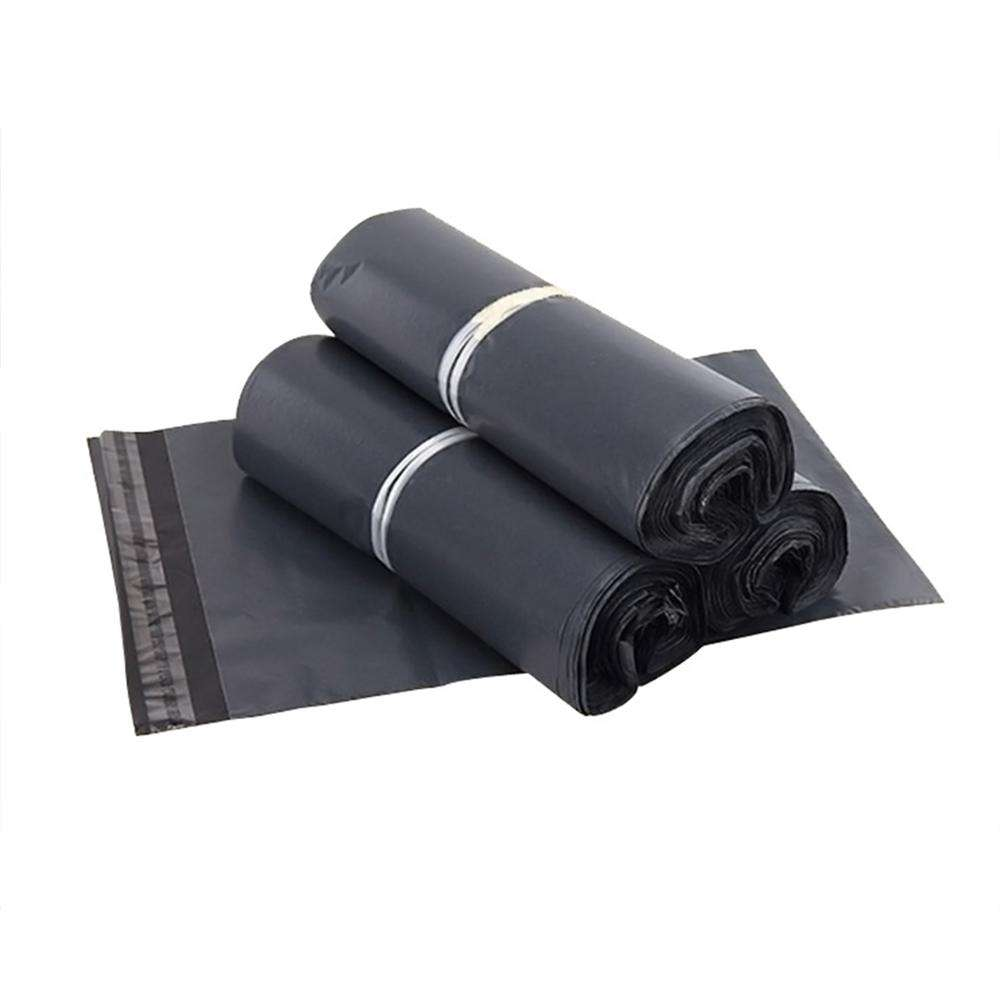
Why proper sealing of poly bags is critical for moisture protection
With 23 years as a one-stop customized packaging manufacturer, we know that poly bags are a go-to choice for product protection—but their ability to keep items dry hinges entirely on proper sealing. A poorly sealed poly bag lets in moisture from humidity, rain, or shipping condensation, ruining everything from paper goods and electronics to textiles and food. The International Safe Transit Association (ISTA) reports that 32% of moisture-related product damage in logistics comes from inadequate poly bag sealing, a statistic we’ve witnessed firsthand with countless clients. Our poly bags—including PE mailers, bio-based variants, and waterproof laminated options—are engineered with moisture-resistant materials and user-friendly sealing features, holding ISO 9001 certification and trusted by global e-commerce and logistics brands. We once partnered with a stationery brand that used generic poly bags with loose tape seals; during a rainy season, 20% of their notebooks arrived warped and water-damaged. After switching to our self-sealing poly bags and following our proper sealing guidelines, their moisture damage rate dropped to 0.7%. This case proves that proper sealing isn’t just a step—it’s the key to unlocking the full moisture-protection potential of poly bags.
Choose the right type of poly bag for effective moisture sealing
The first step to proper sealing for dryness is selecting the right poly bag—and our 23 years of experience help us match clients to options that balance material, design, and sealing capability. For moisture-sensitive products like documents, electronics, or cosmetics: our waterproof laminated poly bags are ideal, featuring a dual-layer PE+PA construction that blocks both liquid water and water vapor. For food items or perishables: our bio-based poly bags with heat-sealable edges provide an airtight, moisture-proof seal that preserves freshness. For general use like clothing or accessories: our self-adhesive poly mailers come with pressure-sensitive adhesive strips that create a tight barrier against humidity, no extra tools needed. We also offer custom-sized poly bags to avoid excess space—air trapped inside can condense into moisture, so a snug fit reduces this risk. A textile brand that switched from oversized generic poly bags to our custom-fitted waterproof poly bags reported a 35% reduction in damp-related returns, as the tailored size and moisture-resistant material worked with proper sealing to keep garments dry.
Prepare poly bags and products for moisture-proof sealing
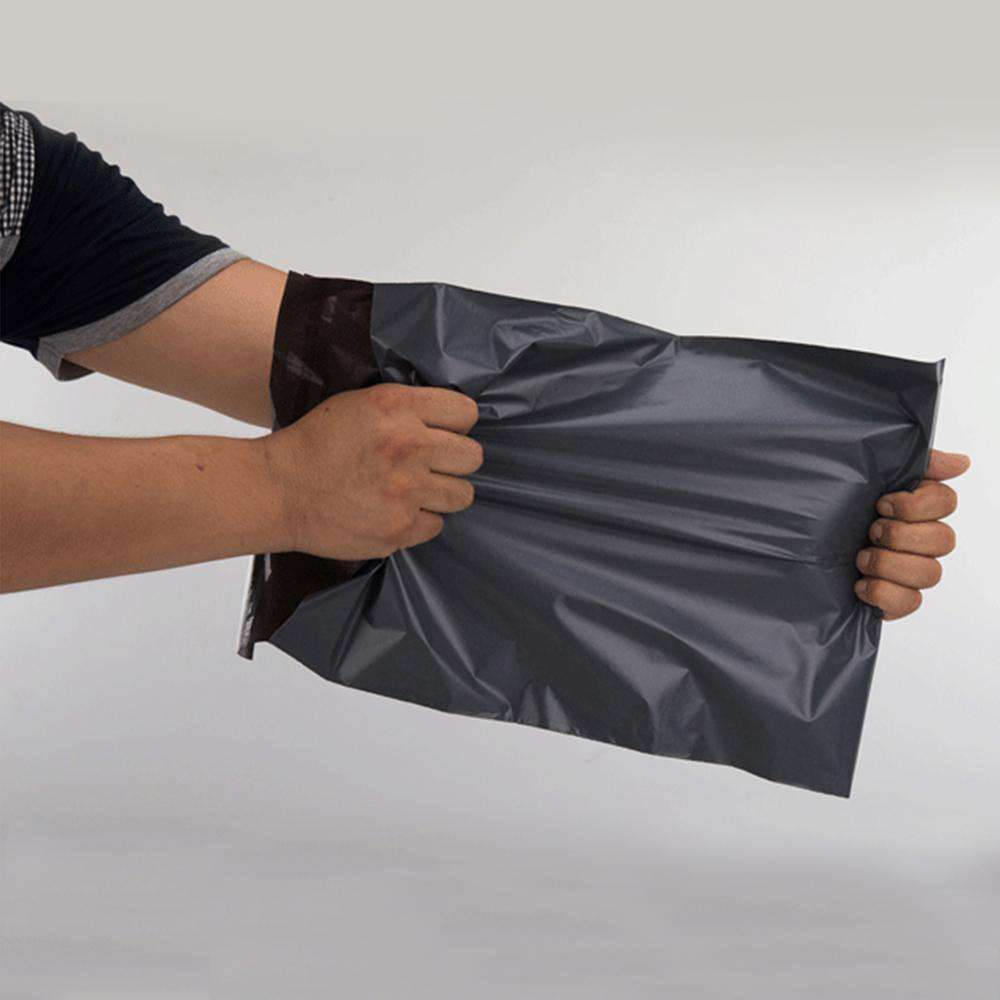
Proper preparation of both poly bags and their contents is essential to ensure a moisture-tight seal—and our technical team has refined this process for every poly bag we produce. First, ensure the sealing area of the poly bag is clean and dry: dust, debris, or residual moisture on the adhesive strip or heat-seal edge will prevent a secure bond. We advise wiping the sealing area with a lint-free dry cloth before sealing, especially in humid warehouses. Second, remove excess air from the poly bag before sealing: trapped air not only increases the risk of condensation but also weakens the seal under stacking pressure. For our self-adhesive poly bags, gently squeeze out air from the bottom up before pressing the seal closed; for heat-sealable poly bags, use a vacuum sealer for optimal air removal. Third, protect delicate products with additional moisture barriers: for electronics or paper goods, place a silica gel packet inside the poly bag before sealing—we offer complementary desiccants that pair perfectly with our poly bags for extra protection. We worked with a small electronics brand that added silica gel packets and followed our preparation steps; their poly bag-sealed products survived a 3-week ocean shipment without any moisture damage.
Master step-by-step sealing techniques for poly bags
Sealing poly bags properly for dryness is a simple process, but following the right techniques ensures maximum moisture protection—and these are the steps we teach all our clients for their poly bags. For self-adhesive poly bags: Peel the protective liner from the adhesive strip slowly to avoid tearing, align the bag’s top edges evenly, and press firmly along the entire length of the seal—start from one end and work your way to the other to eliminate air bubbles. For extra security, run a flat tool (like a credit card) along the sealed edge to reinforce adhesion—our poly bags’ adhesive is designed to activate fully with uniform pressure. For heat-sealable poly bags: Use a temperature-controlled heat sealer set to the recommended level (we provide guidelines based on our poly bag materials) and apply even pressure for 2-3 seconds—overheating can melt the bag, while underheating leaves gaps. For heavy or valuable items: Double-seal the poly bag—first with the primary seal (adhesive or heat) and then with a second strip of adhesive tape along the edge, covering the seal completely. A food brand that mastered these techniques saw zero moisture-related spoilage in their poly bag-sealed snacks, even during long-distance summer shipments.
Quality checks and post-sealing practices for poly bags
Even after sealing, quality checks and proper post-sealing practices ensure poly bags maintain their moisture-proof barrier—and these final steps are part of our comprehensive guidance for poly bags. First, perform a seal test: Gently squeeze the poly bag to check for air leaks (a hissing sound means the seal is incomplete) and hold the sealed area under a stream of water briefly (for waterproof poly bags) to verify no moisture seeps in. Our poly bags undergo rigorous AQL quality inspections during production, but a final check before shipping adds an extra layer of protection. Second, label poly bags clearly to avoid damage to the seal: Avoid placing heavy labels or tape over the sealed edge, as this can weaken the bond when removed. We design our poly bags with designated label areas to prevent this issue. Third, store sealed poly bags properly before shipping: Keep them in a cool, dry warehouse away from direct sunlight and humid areas—heat and moisture can degrade the adhesive or seal over time. For bulk shipments, stack poly bags carefully to avoid crushing the sealed edges—our durable poly bag materials can withstand reasonable pressure, but excessive weight can compromise seals. A logistics company that followed these practices reduced moisture-related claims for their poly bag-sealed products by 40%, proving that attention to detail after sealing is just as important as the sealing process itself.