EN
EN

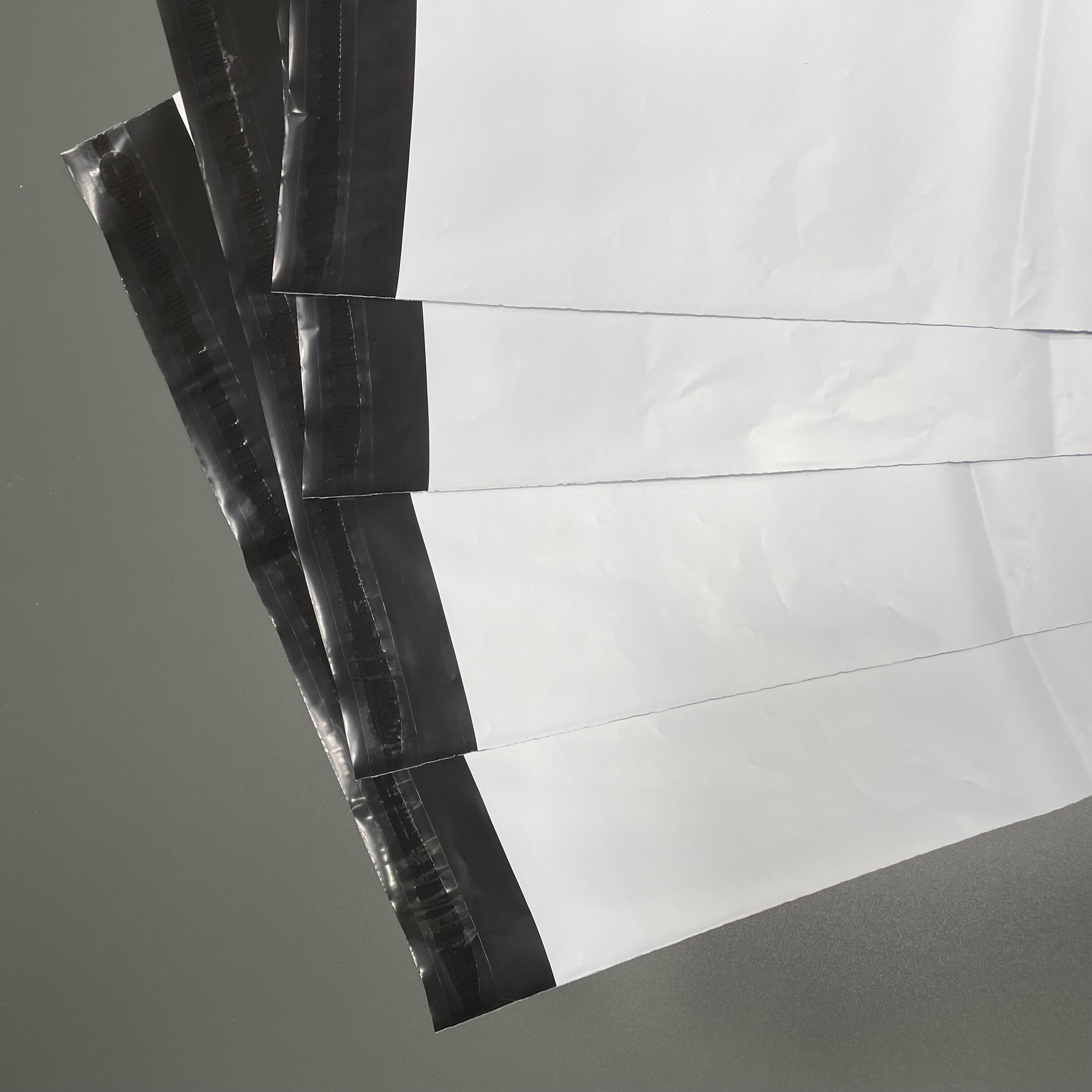
Understanding Food‑Grade Poly Bags and Their Core Safety Standards
When packaging food with poly bags, the first and most critical step is to confirm you are using food‑grade materials designed for direct food contact. Not all poly bags are equal; standard industrial or shipping poly bags lack the purity, testing, and certification required for food applications. Based on over 20 years of hands‑on experience in packaging manufacturing, we have supported hundreds of food producers, distributors, and catering businesses in selecting compliant poly bags that protect both product quality and consumer health. Our poly bags for food contact use virgin PE, HDPE, and LLDPE resins that meet strict international and national food safety standards, including GB 4806.7 for food‑contact plastics and EU 10/2011 requirements for overall migration limits. These standards ensure no harmful substances leach into food during normal storage, transport, or short‑term temperature exposure. Reputable food safety authorities worldwide emphasize that only poly bags clearly labeled as food‑safe, with full material identification and manufacturer traceability, should be used for edible goods. Choosing non‑certified poly bags risks chemical migration, cross‑contamination, and non‑compliance with health regulations, which can damage brand reputation and lead to product recalls.
Material Selection and Compatibility with Different Food Types
Matching poly bag materials to specific food categories is essential for safety and performance. Our production team regularly advises clients on material compatibility to avoid common pitfalls. For fresh produce, dry goods, and bakery items, our lightweight food‑grade poly bags made from new PE provide reliable barrier properties against moisture and dust while remaining breathable enough to prevent mold growth. For frozen foods, we recommend our enhanced HDPE and LLDPE poly bags, which maintain flexibility and strength at low temperatures without becoming brittle or cracking. These materials are formulated to resist tearing and seal securely, preserving freshness during cold storage and transport. High‑fat foods such as meats, dairy products, and fried items demand extra caution. Research from food packaging institutions shows that low‑quality poly bags can interact with fats, leading to undesirable changes in taste or texture. Our food‑safe poly bags are engineered to resist oil and grease absorption, with stable molecular structures that prevent chemical transfer even during prolonged contact. We strictly avoid recycled or compounded materials in our food‑grade poly bags, as these may contain unknown additives or contaminants. Every roll of our food‑contact poly bags undergoes incoming raw material inspection and batch testing to ensure purity and consistency.
Temperature Limits and Safe Handling Practices
Temperature control is one of the most overlooked yet vital precautions when using poly bags for food packaging. Many users mistakenly assume poly bags can withstand high heat, but even food‑grade polyethylene has clear thermal limits. Based on our field experience working with food processors, hot liquids, oily dishes, or freshly cooked items above 60°C can cause standard poly bags to soften, warp, or release trace compounds. Leading food safety agencies strongly advise against using common poly bags in microwaves, ovens, or steamers unless explicitly labeled as heat‑resistant and microwave‑safe. Our food‑grade poly bags come with clear temperature guidelines to help users avoid risks. For chilled and frozen applications, our materials perform reliably under typical refrigeration and freezing conditions. We also recommend avoiding rapid temperature shifts, such as placing frozen food bags directly into boiling water, to prevent seal failure and bag rupture. Proper sealing is equally important: secure, even seals prevent air intake, bacterial contamination, and moisture loss. Our poly bags support heat sealing and twist‑tie closure, with consistent film thickness and tensile strength to maintain integrity through handling and transport.
Hygiene, Storage, and Single‑Use Best Practices
Maintaining hygiene throughout the supply chain is non‑negotiable for food‑grade poly bags. Even the safest materials can become hazards if mishandled or stored incorrectly. In our long‑term partnerships with food businesses, we have seen that clean, dry, and odor‑free storage conditions preserve bag quality and prevent microbial growth. Poly bags should be kept away from chemicals, detergents, pesticides, and strong odors that can permeate the film and affect food. We strongly advise against reusing single‑use food poly bags, even if they appear clean. Cross‑contamination from previous contents, bacterial buildup, and micro‑tears that are invisible to the eye create significant health risks. Our food‑grade poly bags are designed for reliable single‑use performance, with uniform thickness and strong seals to support safe, one‑time packaging. Before use, inspect each bag for holes, tears, or irregularities. Our in‑house AQL quality inspection system and 24‑hour production monitoring help ensure minimal defects, giving customers consistent, dependable packaging for food products.
How Our Professional Poly Bags Support Food Safety Compliance
As an established packaging manufacturer with more than 20 years of experience, we integrate safety, quality, and practicality into every food‑grade poly bag we produce. Our full production cycle includes strict raw material testing, controlled processing, hygienic manufacturing, and final inspection to meet global food contact requirements. We provide full traceability for materials and batches, helping our customers meet regulatory obligations and maintain consumer trust. Our poly bags are non‑toxic, odorless, and made from virgin food‑safe polymers, with no harmful additives or recycled content that could compromise food safety. Whether you package fresh produce, frozen items, baked goods, or ready‑to‑eat foods, our customized poly bags offer the right balance of protection, functionality, and compliance. By following the precautions outlined above and choosing certified professional packaging, you minimize risks, extend shelf life, and uphold the highest standards of food safety. Working with a trusted manufacturer that prioritizes quality control and regulatory adherence ensures your food products reach consumers safely, securely, and in perfect condition.