 EN
EN

Why choosing the right envelope mailer matters for small items
With 23 years as a one-stop customized packaging manufacturer, we know that small items—whether jewelry, electronics accessories, or sample products—deserve just as much protective packaging as larger goods. An ill-fitted or unsuitable envelope mailer can lead to items shifting, scratching, or getting lost in transit, turning a positive customer experience into a frustrating one. The International Safe Transit Association (ISTA) notes that small, lightweight items are 30% more likely to be damaged due to improper packaging, a statistic we’ve seen play out with countless e-commerce clients. Our range of envelope mailers—including bubble mailers, poly mailers, and aluminum foil bubble mailers—are engineered with small items in mind, featuring durable materials, precise sizing options, and protective designs that meet ISO 9001 standards. We once partnered with a handmade jewelry brand that initially used generic paper envelopes; 15% of their necklaces and earrings arrived tangled or scratched. After switching to our custom-sized bubble envelope mailers with internal dividers, their damage rate dropped to 1.2%, and customer reviews praised the secure packaging. This case proves that using the right envelope mailer and following best practices isn’t just about protecting small items—it’s about preserving your brand’s reputation.
Select the optimal envelope mailer type and size for small items
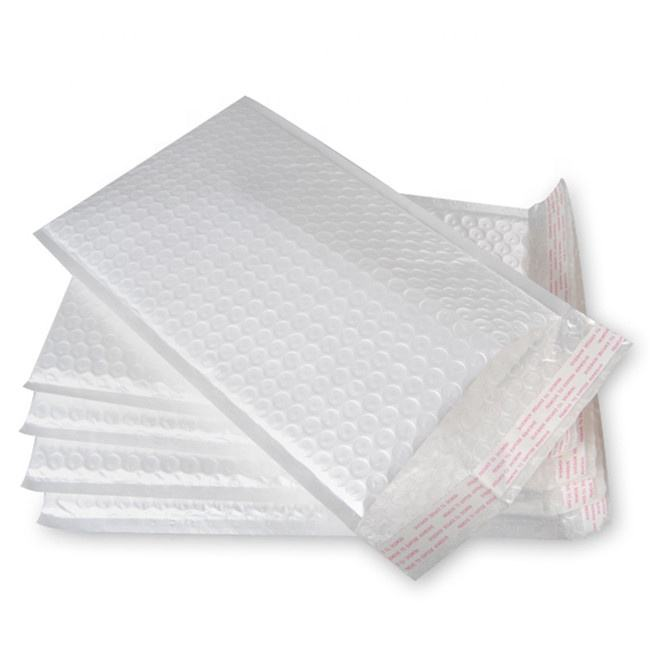
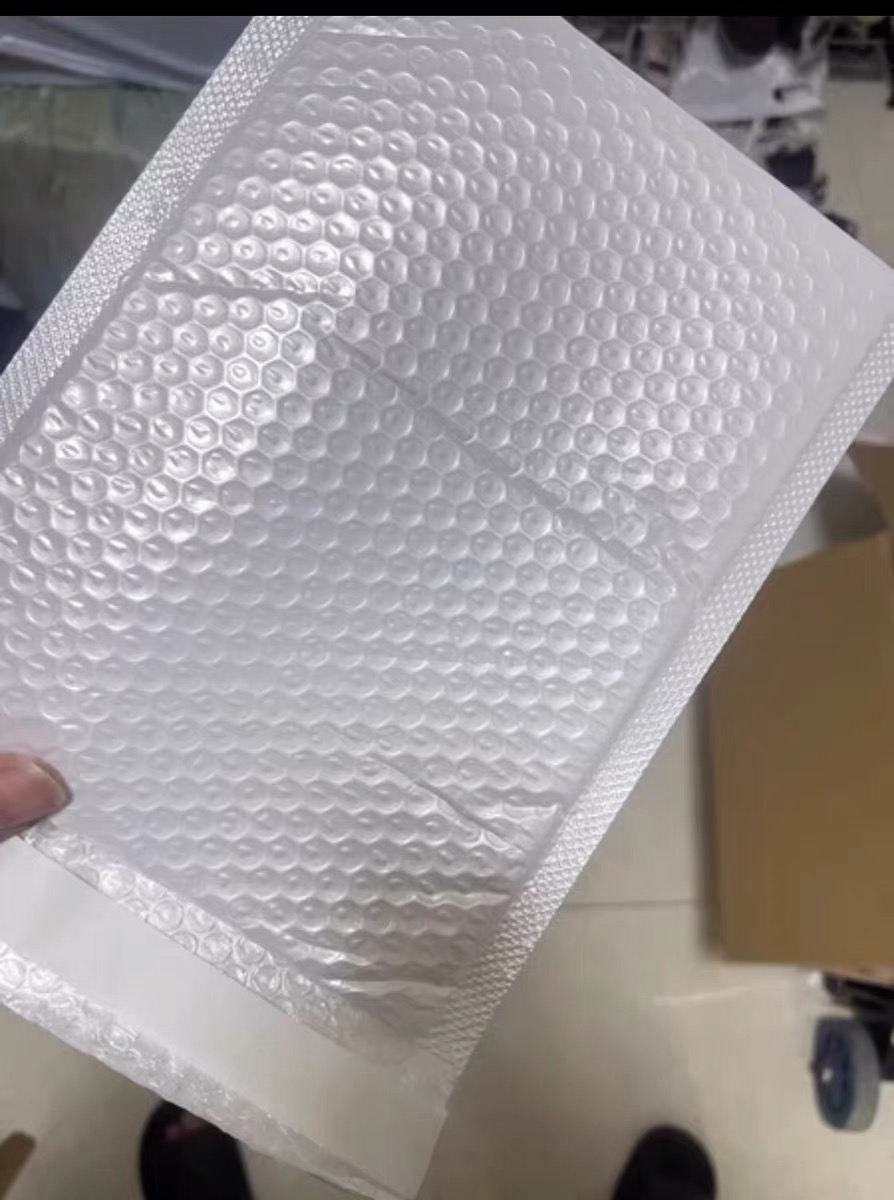
The first best practice for using envelope mailers for small items is choosing the right type and size—one size does not fit all, and our 23 years of experience help us match clients to the perfect option. For fragile small items like jewelry, small electronics, or glass samples: our bubble envelope mailers are a must, as the built-in bubble layer provides shock absorption to prevent scratches and impacts. Our bubble envelope mailers use high-quality laminated bubble film made from new PE+PA materials, offering superior protection without added bulk. For non-fragile small items like documents, stickers, or fabric samples: our lightweight poly envelope mailers are ideal, featuring water-resistant HDPE material that keeps contents dry and secure. For temperature-sensitive small items like skincare samples or supplements: our aluminum foil bubble envelope mailers provide thermal insulation and moisture protection, ensuring product integrity. Size is equally critical—choose an envelope mailer that leaves 1-2 cm of extra space around the item to allow for padding, but avoid oversized options that let items shift. We offer custom-sized envelope mailers, and a small electronics brand that switched to our tailored 15*17+4 cm bubble envelope mailers reported a 25% reduction in transit damage, as the snug fit prevented internal movement.
Properly pad and secure small items inside envelope mailers
Even the best envelope mailer can’t protect small items if they’re not properly padded and secured—and our technical team has refined these techniques through thousands of client collaborations. First, use complementary cushioning materials to fill gaps: our air pillow bags, bubble film, or hulu ball inflatable films (made from new LLDPE materials) work seamlessly with envelope mailers to prevent shifting. For irregularly shaped small items like jewelry with chains, wrap them in tissue paper first to avoid tangling, then add a small piece of bubble film for padding. Second, use internal dividers for multiple small items: our custom envelope mailers can be equipped with removable dividers, keeping items separate and preventing scratches or damage from friction. We worked with a beauty brand shipping multiple skincare samples in one envelope mailer; adding dividers reduced cross-contamination and breakage by 40%. Third, avoid overpacking: an envelope mailer should close smoothly without stretching, as overstuffing weakens the seal and increases the risk of tearing. Our envelope mailers feature reinforced seams for durability, but proper padding ensures these seams aren’t put under unnecessary strain.
Leverage customization features to enhance protection and branding
Customization isn’t just for aesthetics—it’s a key best practice for using envelope mailers for small items, as it enhances both protection and brand recognition. We offer a range of customization options for envelope mailers that benefit small item shipping: custom printing with brand logos or handling instructions (like “Fragile” or “Do Not Bend”), opaque materials for privacy-sensitive items (like black or navy blue poly envelope mailers), and tear strips for easy, damage-free opening. Our custom-printed envelope mailers use vibrant, long-lasting inks that won’t smudge or fade during transit, and the opaque design prevents prying eyes from seeing valuable small items like jewelry or electronics. For a subscription box service shipping small lifestyle products, we created custom envelope mailers with their logo, a “Thank You” message, and a tear strip—customers reported a 35% higher satisfaction rate with the unboxing experience, and social media shares of their packages increased significantly. Additionally, our eco-friendly customization options (like recyclable materials or “Recyclable” messaging) appeal to environmentally conscious consumers, aligning your brand with sustainable values.
Follow quality control and shipping best practices for envelope mailers
The final best practices for using envelope mailers for small items involve quality control and proper shipping habits—steps that ensure your packages arrive safely and on time. First, inspect envelope mailers before use: check for tears, holes, or damaged adhesive strips, and discard any defective units. We implement a rigorous AQL quality inspection process during production, but a quick pre-use check adds an extra layer of security. Second, seal envelope mailers correctly: our self-adhesive envelope mailers feature strong pressure-sensitive adhesive, but ensure the adhesive strip is clean and pressed firmly to create a tight seal. For high-value small items, add a second seal or use tamper-evident tape for extra security. Third, label envelope mailers clearly and correctly: place labels on the flat side of the envelope mailer, avoiding the sealed edge or corners that may be folded during shipping. Our envelope mailers have designated label areas to make this easy. Finally, store sealed envelope mailers properly before shipping: keep them in a cool, dry place away from direct sunlight and sharp objects, as heat and moisture can degrade the material. A logistics company that followed these best practices for shipping small items in our envelope mailers reduced their damage claims by 30%, proving that attention to detail makes all the difference.